If you are selling in Arlington right now, the biggest pricing mistake is assuming a strong market means any number will work. Buyers are active, homes move quickly, and demand is real, but overpricing can still stall momentum fast. The good news is that with the right strategy, you can price to attract serious attention, protect your negotiating position, and stay aligned with your goals. Let’s dive in.
Arlington pricing starts with context
Arlington remains a fast-moving market by almost any measure. Recent market snapshots from major listing platforms all point to the same broad story: this is roughly a $1.1 million market with relatively quick turnover and solid buyer activity.
At the same time, those headline numbers only tell part of the story. One platform showed a typical home value around $1,096,402, another showed a $1,098,000 median listing price, and another reported a $1,164,399 median sale price. The exact figures vary by source and timing, but the takeaway is consistent: buyers are watching Arlington closely, and well-positioned homes can move fast.
That does not mean sellers should simply list high and wait. Current active listings in Arlington already show several visible price cuts, including reductions of $150,000, $54,000, $50,000, and $25,000 on different properties. Even in a competitive market, buyers notice when a home feels out of step with the market.
Arlington micro-markets matter
One of the most important parts of strategic pricing is understanding that Arlington is not one flat market. Pricing can shift meaningfully depending on neighborhood, ZIP code, and housing type. A number that makes sense in one part of town may miss the mark in another.
Recent listing data shows that Arlington Center had a median listing price of $1,395,000, while Arlington Heights was about $1,299,999. East Arlington came in around $944,450, and Brattle around $899,900. That spread is too large to ignore when setting a price.
ZIP-level differences also support this approach. In 02474, the median listing price was $1,269,000, while 02476 was $1,025,000. If you are pricing your home based only on a town-wide average, you may miss the local buyer expectations that matter most.
Why neighborhood-specific comps matter
A smart pricing strategy uses comparable homes that are genuinely comparable. That usually means looking at homes in the same neighborhood or ZIP code, with a similar property type, size, condition, and overall presentation.
This is especially important in Arlington, where buyer expectations can change from one pocket of town to another. A condo in East Arlington should not be priced the same way as a single-family home near Arlington Center simply because both are in Arlington. Precision matters.
Your home should be priced by property type
Property type plays a major role in how buyers respond to price. In Arlington, recent MLS PIN data showed clear differences between single-family homes and condominiums.
Single-family homes had an average sale price of $1,506,206.90, with an average sale at 106.26% of list price. They also moved to offer faster, averaging 13 days to offer. That suggests stronger buyer competition in that segment.
Condominiums told a different story. They averaged $945,154.76, with an average sale at 100.47% of list price, and took about 29 days to offer. That does not mean condos are weak. It means the pricing strategy should reflect how that segment is actually performing.
One pricing playbook does not fit all
If you are selling a single-family home, you may have more room to create urgency and competitive bidding. If you are selling a condo, buyers may be more price-sensitive and compare options more carefully before moving forward.
That is why strategic pricing is never about plugging your address into a formula. It is about understanding which buyers are most likely to act on your home and what will motivate them to act quickly.
Strategic pricing begins with the right comps
A comparative market analysis is still the foundation of a good pricing strategy. The strongest pricing decisions start with recently sold homes, then layer in homes that are under contract and homes that are actively competing for the same buyers.
When an agent builds pricing guidance, the key factors include size, location, amenities, and condition. Needed repairs, updates, layout, and buyer preferences also matter. The goal is not to support a hoped-for number. The goal is to defend a price the market is likely to respond to.
In Arlington, active competition deserves special attention. Current listings are your real-time benchmark because they show what today’s buyers can choose instead of your home. Closed sales matter, but active inventory can shape buyer behavior just as quickly.
Ask these pricing questions
Before you list, make sure you can answer these questions clearly:
- Which recent sales are truly comparable to your home?
- Were the comps in the same neighborhood or ZIP code?
- Were they the same property type?
- How does your home compare in condition and updates?
- Which active listings are your closest competition right now?
- If your first week is quiet, what is the plan?
These questions help keep the pricing conversation grounded in strategy rather than emotion.
Pricing and presentation work together
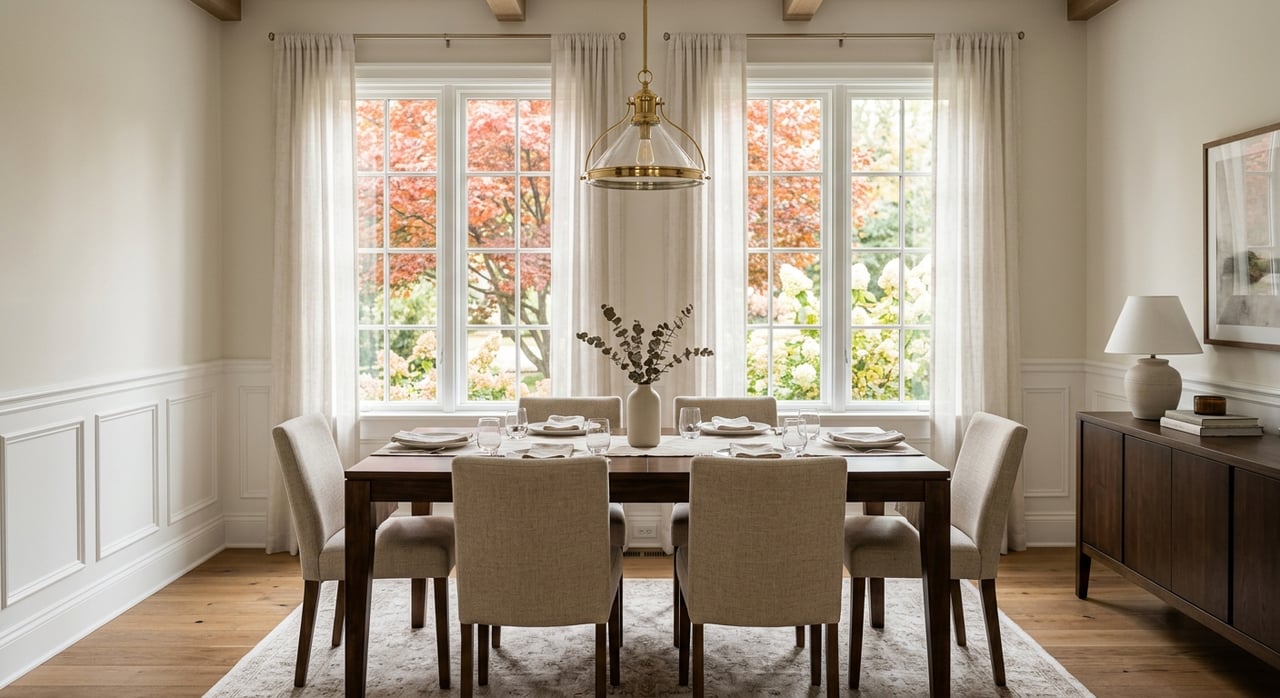
Pricing is not separate from preparation. If you want the market to support your list price, your home needs to look the part from day one.
Recent staging research shows why this matters. Among buyer’s agents, 83% said staging made it easier for buyers to visualize a property as a future home. On the seller side, 29% of agents said staging increased the dollar value offered by 1% to 10%, and 49% said it reduced time on market.
For many Arlington sellers, that does not mean fully furnishing every room from scratch. It often means focusing on the most important spaces, improving flow, reducing distraction, and making sure buyers can immediately understand the home’s value.
The prep items that matter most
If you are getting ready to sell, these steps can support your pricing strategy:
- Declutter and simplify each room
- Address small visible repairs
- Prioritize the living room, primary bedroom, and kitchen
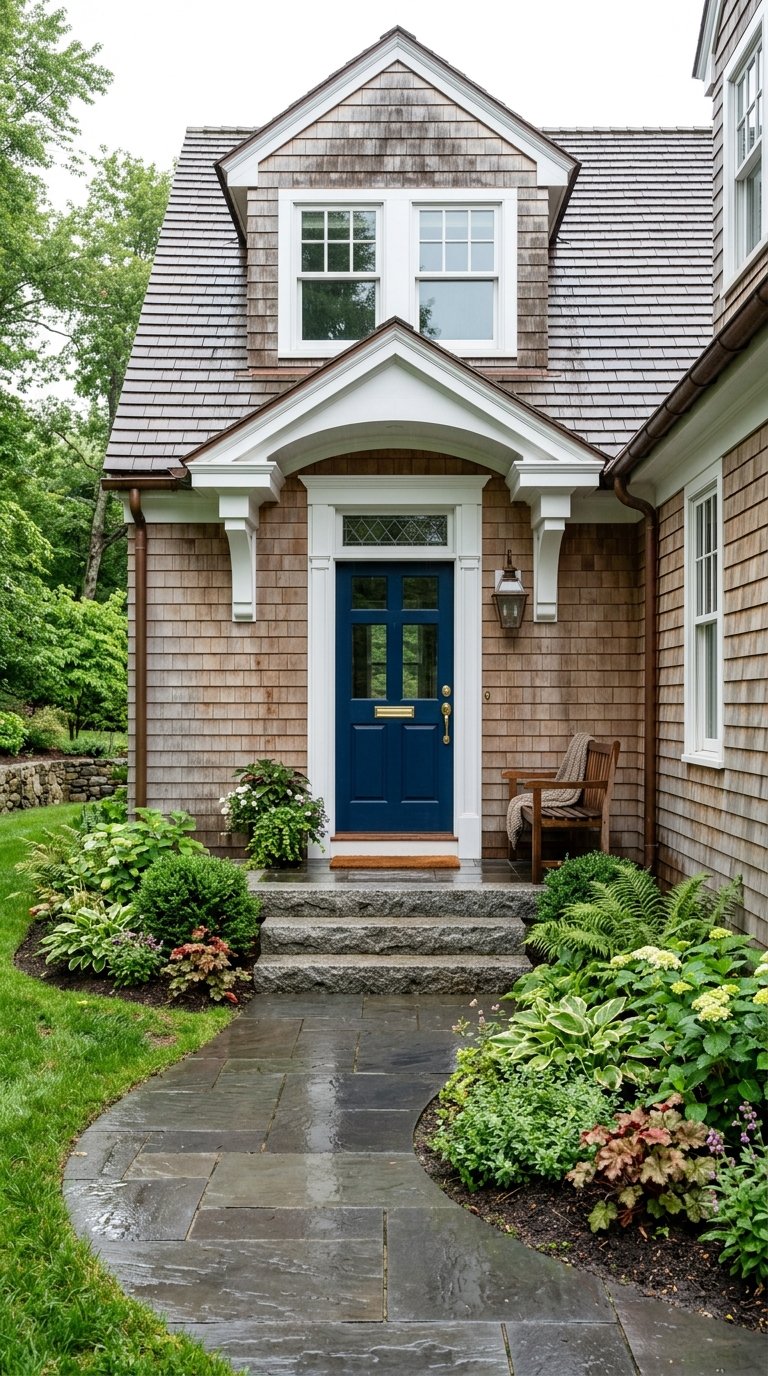
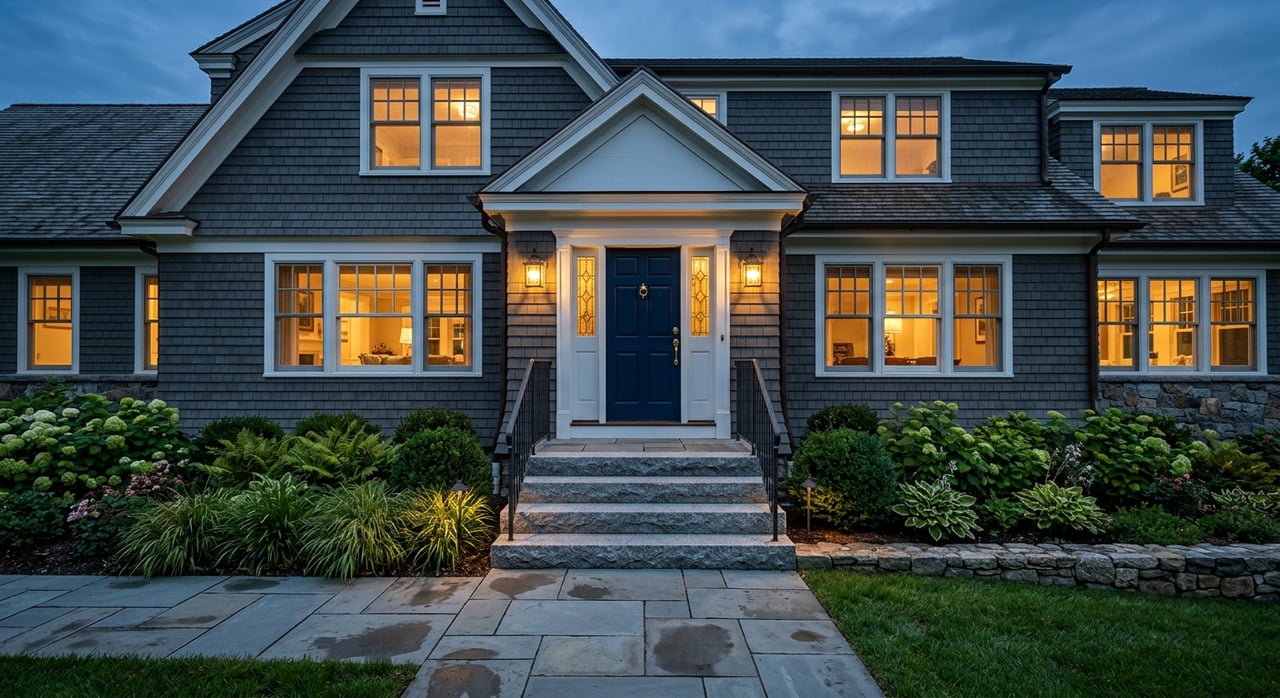
- Improve curb appeal before photography and showings
- Make sure the home is photographed in its best light
When pricing and presentation are aligned, buyers are more likely to respond quickly and confidently.
Timing can strengthen your launch
Even in a strong market, timing still matters. A national 2026 selling-week study found that the week of April 12 to 18 historically delivered stronger conditions, including higher prices, more listing views, fewer days on market, fewer competing sellers, and fewer price cuts than the average week.
That does not mean every Arlington seller should wait for one specific week. The more useful takeaway is that preparation matters. When your home is ready to launch at the right moment, you give your pricing strategy a better chance to succeed.
Spring often helps homes show well because of natural light, weather, and curb appeal. But regardless of season, the best launch is usually the one where your home is fully prepared before it hits the market.
The first week matters most
In Arlington, where homes often move quickly, the first days on market carry real weight. Buyers and agents tend to pay the closest attention when a listing is fresh, and that early activity can tell you whether the price is working.
If your home gets strong traffic, positive feedback, and serious offers, your pricing may be right where it needs to be. If showings are slow or feedback consistently points to value concerns, that may be a signal to adjust quickly.
This is where overpricing can cost more than many sellers expect. You do not just risk sitting longer. You can lose the sense of urgency that helps generate stronger terms and better leverage.
The best offer is not always the highest
A strategic list price is designed to attract the right offers, not just the highest starting number. Once offers come in, the headline price is only one part of the decision.
Offer strength can also depend on financing, contingencies, timing, and overall risk. A cash offer may move faster and with fewer complications. An offer with fewer contingencies may be more appealing than a higher offer that carries more uncertainty.
This matters in Arlington, where one market snapshot showed homes selling about 5% above list price on average, with a 104.1% sale-to-list ratio and 59.1% of homes selling above list. In that kind of environment, pricing can shape not only how much attention your home gets, but also the quality of the offers that arrive.
Recent sales show the range
Recent Arlington sales make this clear. Some homes sold 19% over list, 18% over list, and 10% over list, while another sold 4% under list. Days on market also varied, from about 30 days to more than 60 days.
The lesson is simple: success is not about choosing the highest possible list price. It is about choosing the price that creates the right mix of urgency, visibility, and negotiating power for your specific home.
What strategic pricing looks like in Arlington
In today’s Arlington market, strategic pricing is really a bundle of decisions. You need the right comps, a clear view of active competition, thoughtful prep, deliberate timing, and a plan for reading market feedback once your home goes live.
That is especially important in a market where many homes move quickly, but visible price cuts also show that buyers respond fast when something feels overpriced. The goal is not to chase the market after launch. The goal is to enter the market in a position of strength.
If you are thinking about selling in Arlington, the best pricing strategy is one tailored to your home, your timing, and your priorities. When those pieces come together, pricing becomes one of your strongest tools, not your biggest gamble.
If you want a calm, high-touch plan for pricing, preparation, and negotiation in Arlington, connect with Kelly Batti.
FAQs
How should an Arlington seller choose comparable homes for pricing?
- The strongest comps are usually homes with a similar location, property type, size, condition, and features, with special attention to the same neighborhood or ZIP code whenever possible.
How fast are homes moving in Arlington right now?
- Recent market snapshots show Arlington homes often going pending in about 7 days, with median or average market time also reported around 15 to 16 days depending on the data source.
Should an Arlington seller price based on the whole town average?
- Usually not. Arlington Center, Arlington Heights, East Arlington, Brattle, and different ZIP codes can show meaningful price differences, so neighborhood-specific pricing is more useful.
Does property type affect pricing strategy in Arlington?
- Yes. Recent local data showed single-family homes outperforming condos on average sale-to-list ratio and time to offer, which suggests each property type may need a different pricing approach.
How does staging affect an Arlington home sale?
- Staging and decluttering can support pricing by helping buyers better understand the home, and industry research found that many agents saw staging reduce time on market and sometimes increase the dollar value offered.
What should an Arlington seller do if the first week is slow?
- If early traffic and feedback are weak, it is smart to review both price and presentation quickly, because the first days on market often shape your home’s momentum.
Is the highest offer always the best offer for an Arlington seller?
- No. Financing terms, contingencies, timing, and overall risk can matter just as much as the top number when you compare offers.
When is the best time to list a home in Arlington?
- Preparation matters more than a perfect date, but spring often offers favorable showing conditions, and 2026 national data pointed to mid-April as a particularly strong selling window.