If you’ve looked at Medford home prices and wondered whether one property could help you live well and offset costs, a multi-family home may be worth a closer look. For many buyers, living in one unit and renting the others offers a practical way to enter an expensive market while building flexibility into the monthly budget. In this guide, you’ll learn why Medford stands out for live-in owners, what property types to expect, and which financing and due diligence details deserve extra attention. Let’s dive in.
Why Medford fits live-in owners
Medford is a strong market to consider if you want a home that also produces rental income. The U.S. Census Bureau reports a 54.1% owner-occupied rate in the city, with a median owner-occupied home value of $755,500 for 2020 through 2024. In a higher-cost market like this, a live-in multi-family can offer a different path than buying a single-family home.
The city’s housing mix also supports this strategy. Medford’s housing profile shows that 32% of housing units are in two- to four-family buildings, while only 5.6% were built in 2000 or later. That means many buyers will be looking at classic local housing stock such as duplexes, triple-deckers, and four-family properties rather than newer large-scale buildings.
Medford has also adopted a Housing Production Plan that remains valid through January 11, 2028, with a stated goal of maintaining a broader mix of housing types. For buyers, that helps reinforce that smaller multi-family housing is part of the city’s larger housing landscape. It does not guarantee inventory, of course, but it does make this niche especially relevant here.
What properties you’ll likely see
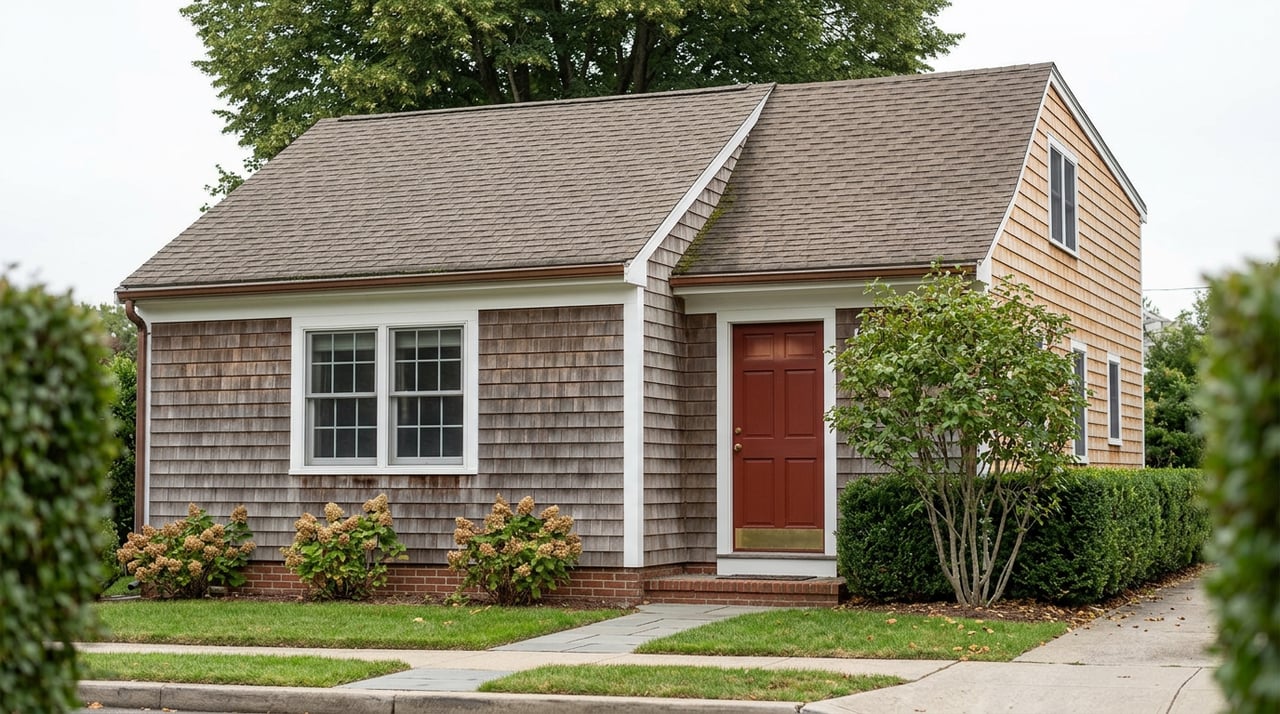
If you are searching in Medford, the most useful lens is often small multi-family rather than large apartment investment property. In practical terms, that usually means two-family, three-family, and four-family homes that can work for an owner-occupant who plans to live in one unit and rent out the others. The right fit depends on how the building functions day to day, not just the unit count.
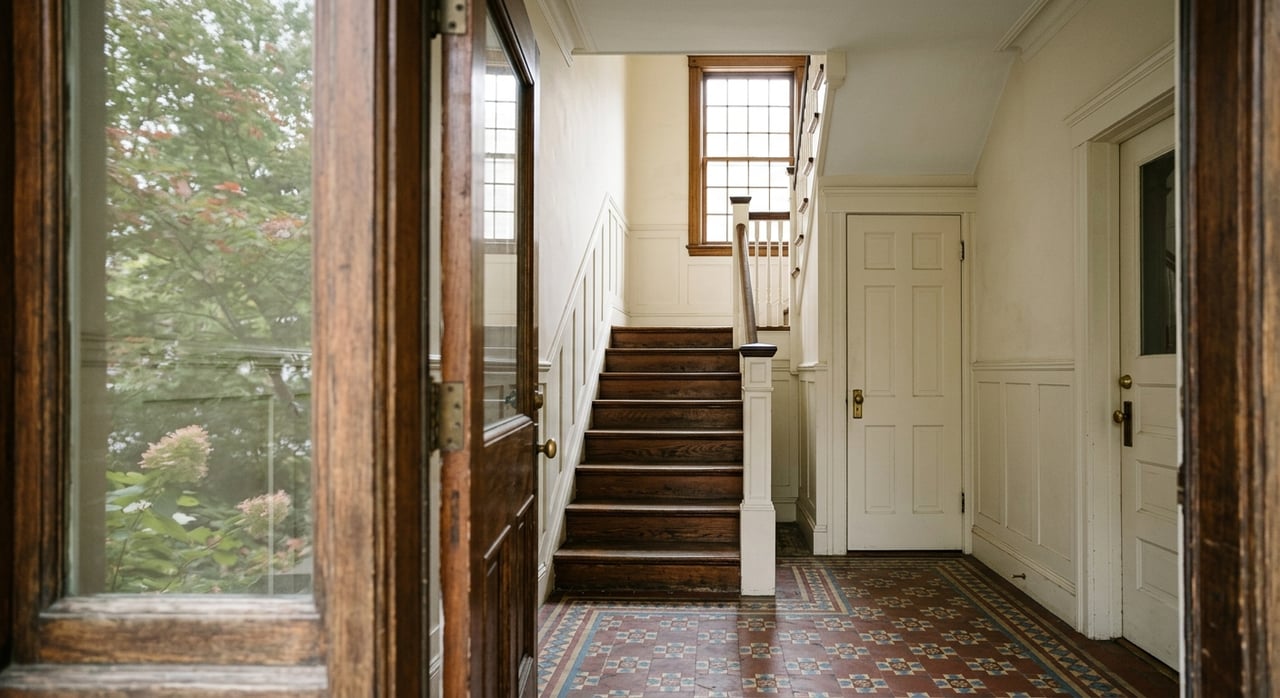
As you compare options, pay close attention to layout. Separate entrances can make daily life more comfortable, while shared hallways, stairwells, basement access, and attic space may affect privacy and maintenance responsibilities. In older Medford buildings, these details can shape your experience just as much as square footage.
Deferred maintenance is another major factor. Because so much of Medford’s housing was built before 1939, older finishes and systems are common. Some buyers are comfortable taking on updates over time, while others need a property that feels more move-in ready from day one.
Two-family vs. three- or four-family
This is an important distinction in Medford. According to the city’s Building Department, three- and four-family properties are subject to a state-mandated periodic inspection focused on safety in shared common areas. The department also notes that two-family properties do not require that same periodic inspection.
That does not automatically make a two-family property better. It simply means the ownership timeline, costs, and responsibilities may look different depending on the building type. If you are deciding between a duplex and a three-family, this is one of the details to discuss early.
Financing questions to ask early
For many live-in buyers, financing is where the strategy either comes together or falls apart. The good news is that both Fannie Mae and Freddie Mac support owner-occupied two- to four-unit primary residences. FHA also allows financing for one- to four-unit properties, with a public minimum down payment option as low as 3.5%.
Fannie Mae’s HomeReady materials state that a two- to four-unit principal residence can require only 3% from the borrower’s own funds, while standard conventional benchmarks in Fannie’s product materials show 5% borrower funds for a two- to four-unit principal residence when the loan-to-value ratio is above 80%. Which program fits you best depends on the property, your income profile, and the lender’s specific requirements.
Just as important, lenders may count some rental income from the non-owner-occupied units when evaluating your application. Freddie Mac states that rental income from the other units can be added to borrower income, and Fannie Mae’s rental income guidance says lenders generally use 75% of gross monthly rent when current leases or market rents are used. That means projected rental income can help, but it usually will not be counted dollar for dollar.
Why the appraisal matters so much
On a two- to four-unit property, the appraisal is not just about value. Fannie Mae also requires the income approach in the valuation of these properties. In plain terms, that means the appraiser’s support for market rent can affect your financing just as much as the contract price.
This is why it helps to ask specific questions before you fall in love with a property:
- Which loan programs fit a live-in two-, three-, or four-unit purchase?
- How much rental income is likely to be counted for qualification?
- What reserve requirements apply?
- How will market rents be supported in the appraisal?
For a live-in owner, these details can have a real impact on your monthly payment and buying power.
Due diligence for older Medford buildings
In Medford, inspection diligence should go well beyond paint colors and appliance age. The city’s older housing stock often brings bigger questions about systems, safety, and future repair costs. A smart review helps you understand both immediate needs and what may be coming next.
Medford’s Housing Rehabilitation Loan Program offers a useful local checklist of common work items in older homes. The program specifically lists lead paint inspection and abatement, heating systems, foundation repairs, hot water heaters, insulation, and walls, ceilings, and floors. Even if you are not using that program, those categories are worth discussing with your inspector and attorney.
The Medford Health Department also enforces state and local housing regulations, including lead laws and asbestos rules. It highlights housing issues such as temperature, moisture and mold, pest control, and code concerns. The department also notes that heating season runs from September 30 through May 15, which matters if you are evaluating heating performance and landlord responsibilities.
Lead compliance is a major issue
For any pre-1978 Medford rental, lead compliance should be part of your planning from the start. Massachusetts requires tenant lead-law notification before renting a pre-1978 home, whether or not a child under six will live there. If a child under six will live in the rental unit, the owner must delead the unit or bring it under interim control.
This is not a small paperwork detail. It can affect renovation scope, move-in timing, and your budget. It is also important to know that Massachusetts says it is illegal to refuse to rent or sell because lead compliance would be required.
Local landlord notice rules matter too
If you plan to rent out one unit, you are stepping into the role of landlord right away. In Medford, the Housing Stability Notification Ordinance requires a Notice of Tenant Rights and Resources at the start of a tenancy. The notice must also be given again at the end of a tenancy with any notice to quit or lease non-renewal or expiration.
For first-time live-in owners, this is one of the easiest local requirements to miss. It is a good reminder that buying a multi-family home is not only a real estate decision. It also comes with ongoing local compliance responsibilities.
Permits and contractor planning
If your plan includes updates after closing, make permit and contractor questions part of your pre-purchase review. Medford’s Building Department states that permits are required before work begins. The department also notes that contractors on owner-occupied one- to four-family projects should be properly registered and licensed.
That matters for common projects like kitchen upgrades, bathroom renovations, heating work, and electrical improvements. If you are buying an older building with a value-add plan, the timeline and approval process should be part of your budgeting from the beginning.
Don’t overlook water service lines
In older buildings, plumbing deserves a closer look. Medford’s water department has encouraged buyers to test for lead before purchase and says the city offers a $1,000 rebate toward residential service line replacement through its Lead and Copper Program. For many buyers, this is an inspection conversation worth having early rather than discovering it after closing.
How to evaluate a Medford live-in multi-family
When you tour properties, try to think like both a homeowner and a housing provider. You are not only asking whether you would enjoy living there. You are also asking whether the property will function well over time as a shared building with rental units.
A practical evaluation checklist includes:
- Unit layout and privacy between owner and tenant spaces
- Condition of heating, hot water, electrical, and foundation systems
- Signs of moisture, mold, pest issues, or deferred maintenance
- Lead-related questions for pre-1978 units
- Shared common areas and how they are maintained
- Permit history for past updates if available
- Rent support for financing and appraisal purposes
- Local notice and compliance obligations once you become a landlord
This kind of purchase can be a smart long-term move, but success often comes from careful planning rather than rushing to the lowest price or highest projected rent.
Why guidance matters in this niche
A Medford multi-family purchase asks you to balance several moving parts at once. You are comparing home layouts, financing options, inspection findings, renovation potential, and local landlord obligations, often within a competitive market. Having a clear process can make those decisions feel much more manageable.
The right support helps you sort through what is cosmetic, what is structural, and what may affect financing or compliance. It also helps you look at the property through the lens of your actual goals, whether that means lower monthly carrying costs, future flexibility, or a long-term hold in Greater Boston.
If you’re considering a Medford multi-family as a live-in owner, working with a local advisor who understands older Greater Boston housing stock can make the search far more strategic. When you’re ready to explore your options, connect with Kelly Batti for thoughtful, high-touch guidance tailored to your goals.
FAQs
What makes Medford a good place to consider a live-in multi-family property?
- Medford has a large share of older two- to four-family housing, with 32% of housing units in that category, making duplexes, triple-deckers, and similar properties especially relevant for live-in owners.
What types of multi-family homes are common in Medford for owner-occupants?
- Buyers are likely to see smaller multi-family homes such as two-family, three-family, and four-family properties, often in older buildings built before 1939.
How does financing work for a Medford owner-occupied multi-family purchase?
- Fannie Mae, Freddie Mac, and FHA all support owner-occupied one- to four-unit purchases, and lenders may count a portion of rental income from the other units when you qualify.
What is different about buying a two-family versus a three-family in Medford?
- Medford’s Building Department notes that three- and four-family properties are subject to a state-mandated periodic inspection for safety in shared common areas, while two-family properties do not have that same requirement.
What should you inspect carefully in an older Medford multi-family home?
- Key areas include heating systems, foundation condition, insulation, hot water systems, walls and floors, moisture or mold issues, pest concerns, and possible lead-related hazards in pre-1978 units.
What are the lead law rules for renting a pre-1978 unit in Medford?
- Massachusetts requires tenant lead-law notification before renting a pre-1978 home, and if a child under six will live in the unit, the owner must delead it or bring it under interim control.
What local landlord notice does a Medford live-in owner need to know?
- Medford’s Housing Stability Notification Ordinance requires a Notice of Tenant Rights and Resources at the start of a tenancy and again at the end with any notice to quit or lease non-renewal or expiration.
Should you plan for permits before renovating a Medford multi-family property?
- Yes. Medford’s Building Department says permits are required before work begins, and contractors on owner-occupied one- to four-family projects should be properly registered and licensed.