If you are thinking about selling in Medford, one thing matters right away: your home needs to make a strong first impression fast. Even in a market where homes can move quickly, buyers are still comparing condition, presentation, and value the moment your listing hits the market. With the right prep plan, you can reduce stress, avoid common delays, and help your home stand out from day one. Let’s dive in.
Why preparation matters in Medford
Medford remains a fast-moving market, but fast-moving does not mean effortless. Recent housing data showed median sale prices around $860,000 and average market time of about 25 to 26 days, with multiple offers still common.
That kind of pace means your listing gets the most attention early. If your home is clean, well-maintained, and photo-ready before it launches, you are in a better position to capture buyer interest while your listing is freshest.
For most sellers, that does not mean taking on a major renovation. Medford is an established owner-occupied market, which supports a more practical strategy: focus on presentation, condition, and key updates that help buyers feel confident.
Start with legal and safety steps
Before you think about paint colors or throw pillows, clear the items that can affect your timeline. These tasks are not always glamorous, but handling them early can help you avoid last-minute surprises.
Check lead paint requirements
If your home was built before 1978, Massachusetts requires sellers to disclose lead paint. You must provide the state’s Property Transfer Lead Paint Notification before the purchase-and-sale agreement and share any available lead-related records or reports.
If you own an older Medford home, gather this paperwork early. That simple step can make the process smoother once offers start coming in.
Plan for smoke and CO compliance
Massachusetts also requires working smoke and carbon monoxide alarms. A sale or transfer requires a certificate of compliance from the local fire department.
Because that inspection can become a closing item, it helps to think about it early rather than treat it as a last-minute task. Once your closing date is coming into focus, scheduling promptly can keep things moving.
Expect buyers to inspect
Massachusetts now requires a separate written disclosure affirming the buyer’s right to a home inspection before or at the first purchase contract. Sellers generally cannot make acceptance conditional on the buyer waiving or limiting that inspection.
The takeaway is simple: assume buyers will look closely. Fixing visible issues before you list can improve how your home shows and reduce avoidable concerns later.
Review multi-family compliance
If you are selling a Medford property with three or more residential units, the city’s Building Department notes that these properties receive periodic inspection notices. Two-family homes do not have the same periodic inspection requirement.
If you own a three-family or larger property, review your compliance status before listing. That is especially important for estate sales, investment sales, or long-held family properties.
Focus on the prep that buyers notice most
Once legal and safety items are underway, move to the updates that shape buyer perception. In most cases, simple improvements have more impact than expensive remodels.
Clean deeply and declutter thoroughly
A clean, simplified home feels bigger, brighter, and easier to picture living in. Staging guidance consistently points to cleaning, decluttering, repairing, depersonalizing, and modest updating as the core steps that matter most.
Start by removing excess furniture, clearing countertops, and organizing storage areas. Buyers notice flow, light, and usable space, so less really is more.
Make small repairs before listing
Loose hardware, scuffed trim, dripping faucets, sticky doors, and burned-out light bulbs may seem minor. Together, though, they can make buyers wonder what else has been deferred.
Create a punch list and handle the basics first. A home that feels cared for often leaves a stronger impression than one with flashy upgrades but obvious maintenance issues.
Use neutral, light updates
Current buyer priorities tend to favor energy-conscious features, flexible spaces, smart-home functionality, and usable outdoor areas. That does not mean you need to gut a kitchen or start a large project.
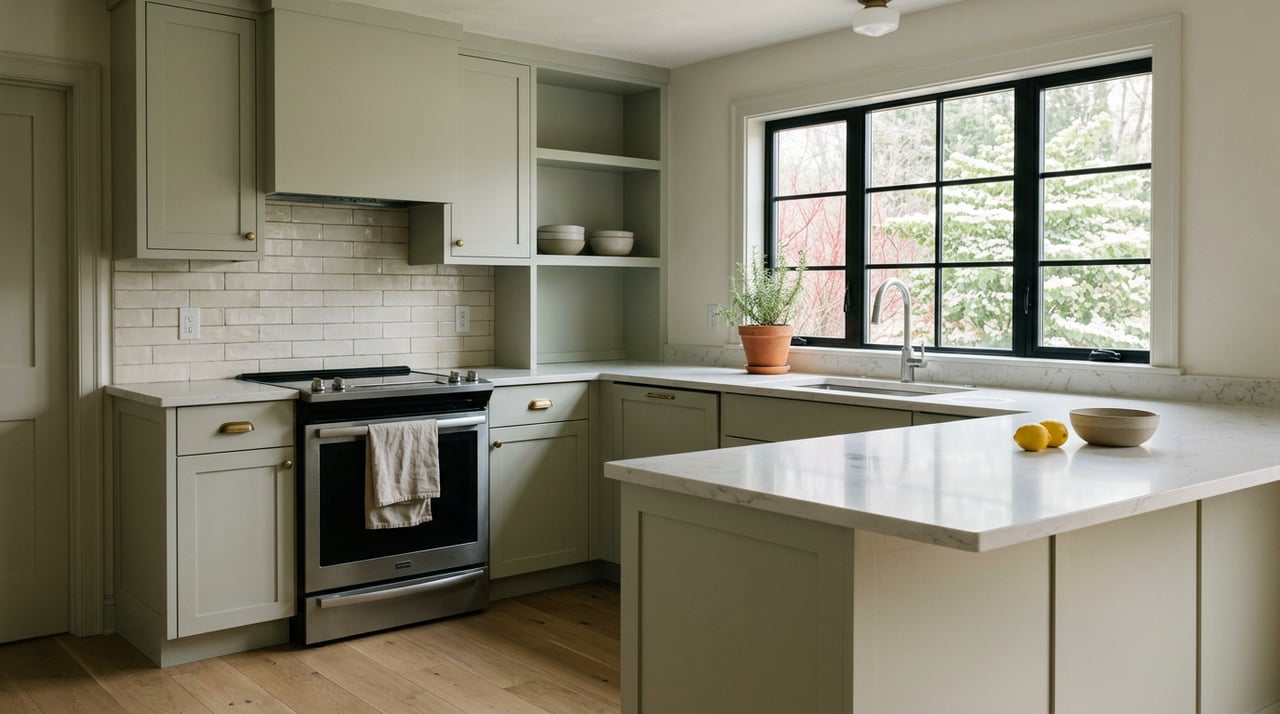
Often, the best return comes from neutral paint, improved lighting, updated hardware, and a tidy exterior. These are the kinds of changes that photograph well and help buyers connect with the space.
Prioritize the rooms that carry the most weight
If your time or budget is limited, you do not need to perfect every corner of the house at once. Focus your effort where buyers tend to notice it most.
Living room
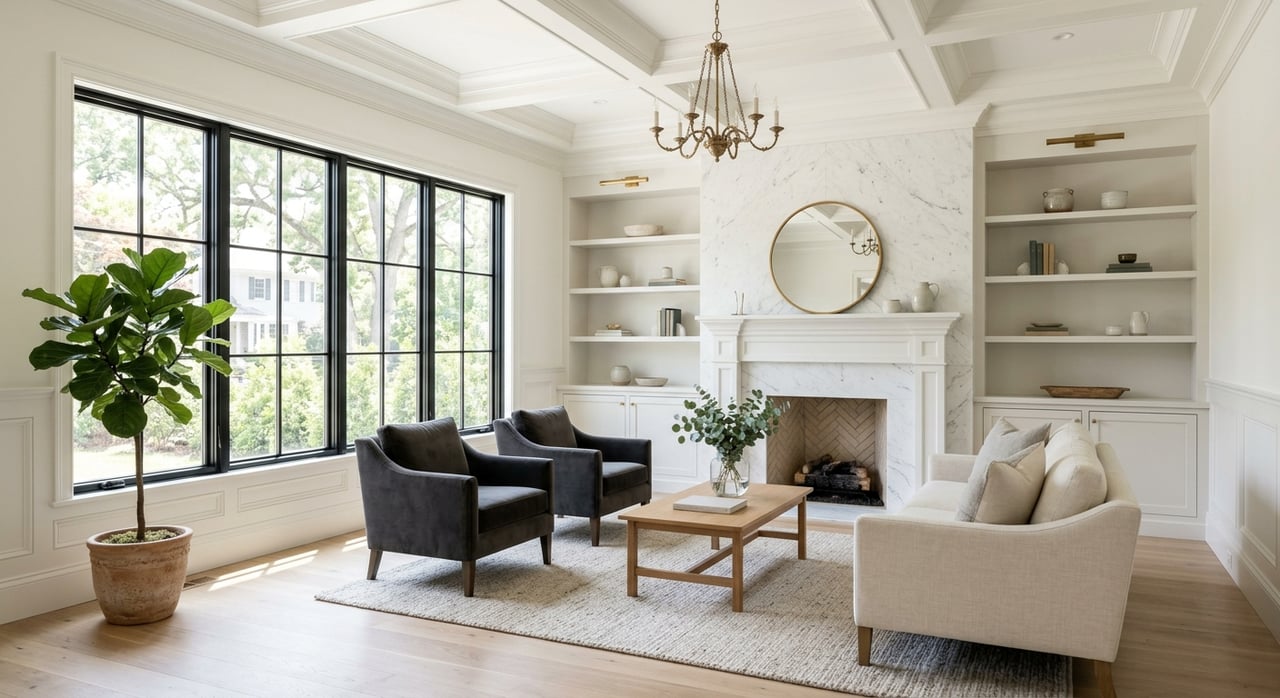
The living room often sets the tone for the rest of the showing. Keep seating balanced, open up walkways, and remove anything that makes the room feel crowded.
A bright, calm living area signals comfort and function. That matters both in person and in listing photos.
Primary bedroom
The primary bedroom should feel restful and spacious. Clear off dressers, simplify bedding, and reduce personal items so the room reads clean and inviting.
You want buyers to notice the room itself, not the distractions in it. A quiet, polished look usually works best.
Dining room
The dining room is another high-impact space. Whether it is a formal room or part of an open layout, it should feel purposeful.
A simple table setting, good lighting, and clear circulation can help buyers understand how the space functions. That is especially helpful in older homes where room use may not feel obvious at first glance.
Do not overlook vacant homes
An empty home is not always easier to sell. Vacant rooms can feel smaller, colder, or harder to interpret.
If your Medford home is already vacant, staging or virtual staging may help buyers understand scale and layout. This can be especially useful for condos, multi-family units, and homes with unusual room shapes.
Treat photography as part of the prep
Your online debut is one of the most important moments in your sale. A large share of buyers find their home online, and listing photos remain one of the most useful features in their search.
That is why prep should lead directly into professional photography, not stop just short of it. Cleaning, styling, lighting, and final touch-ups should all be complete before photos are taken.
Get the home fully ready first
Do not rush to photograph while repairs are unfinished or rooms are half-organized. The first few days after your home goes live matter, so the images need to show the property at its best.
That includes fresh bulbs, open window treatments, clean surfaces, and thoughtfully arranged furniture. Good photos are not a bonus. They are part of the strategy.
A practical prep sequence for Medford sellers
If you are wondering how much prep is enough, a phased approach is usually the smartest path. It keeps you focused on what matters most without turning pre-listing work into an open-ended project.
Phase 1: Clear the essentials
- Gather lead paint records if the home was built before 1978
- Review smoke and carbon monoxide alarm requirements
- Plan for the fire department compliance inspection when timing allows
- Check multi-family inspection or compliance status if applicable
Phase 2: Improve condition
- Deep clean the entire home
- Declutter and depersonalize key spaces
- Complete small repairs and maintenance items
- Refresh paint, lighting, or hardware where needed
Phase 3: Refine presentation
- Prioritize the living room, primary bedroom, and dining room
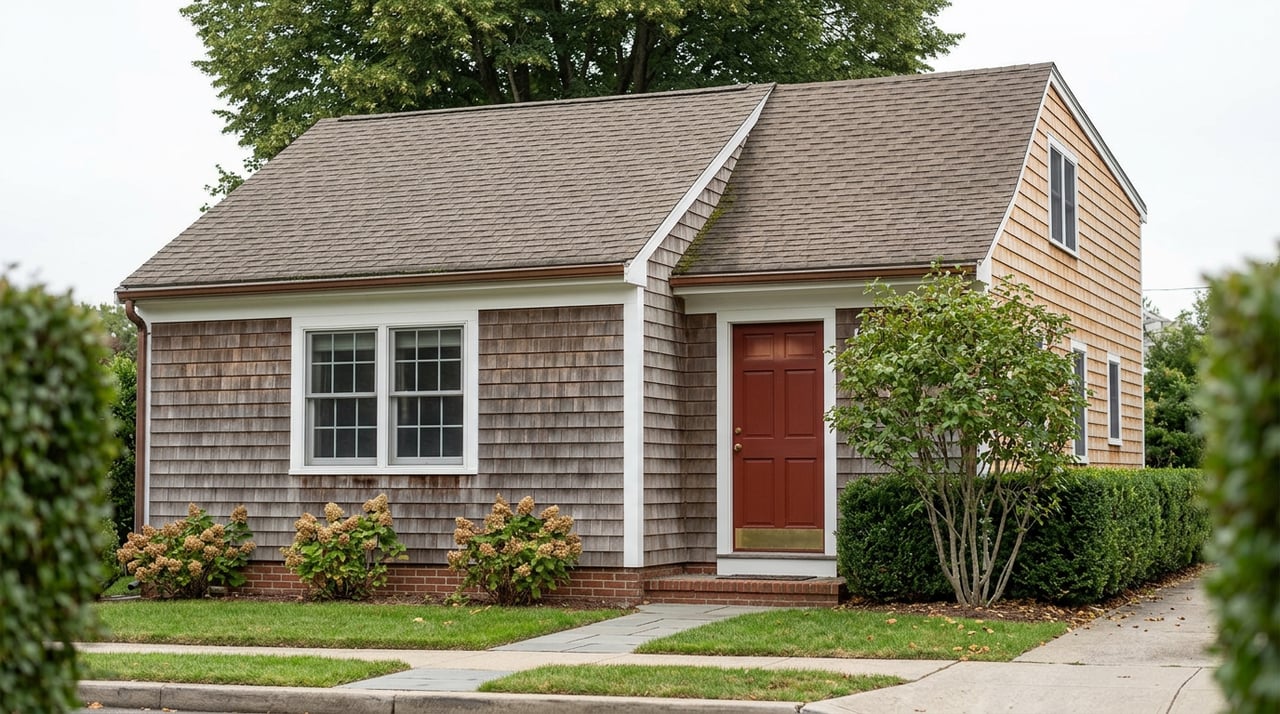
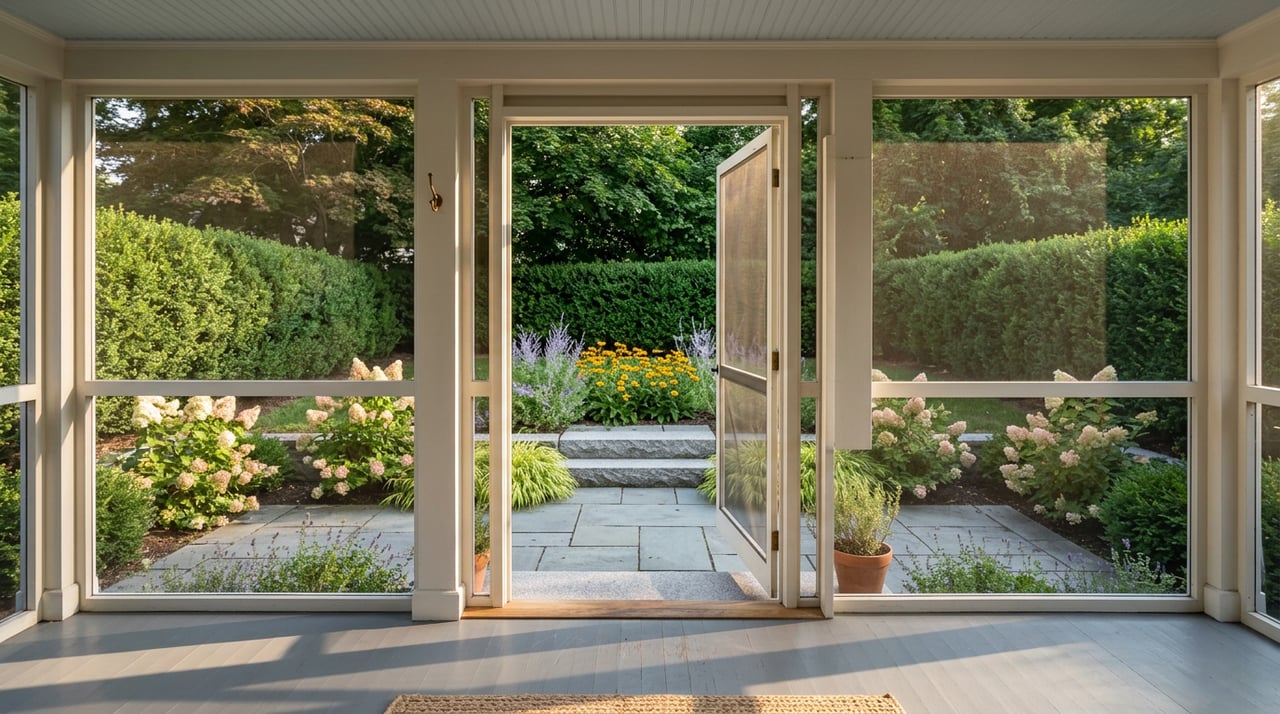
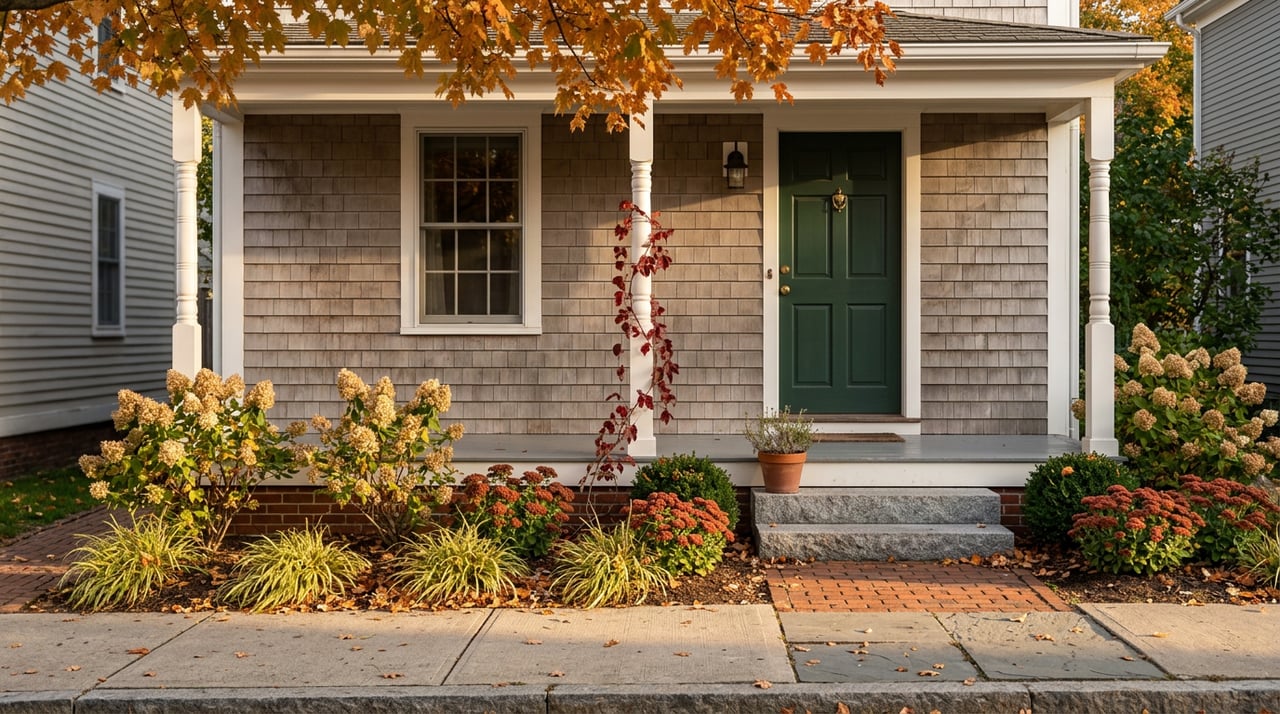
- Tidy outdoor areas, patios, porches, and entry points
- Consider staging or virtual staging if the home is vacant
- Prepare every room for photography before launch
The goal is not perfection
Selling prep can feel overwhelming, especially if you are balancing work, a move, family logistics, or an estate transition. The good news is that your goal is not to make the home perfect.
Your goal is to make it feel well-cared-for, easy to understand, and ready for buyers to picture their next chapter. In a market like Medford, that kind of thoughtful preparation can make a meaningful difference.
With a clear plan, smart updates, and polished presentation, you can bring your home to market with confidence. If you are preparing to sell in Medford and want strategic, hands-on guidance, Kelly Batti offers a warm, white-glove approach to help you navigate each step with clarity.
FAQs
What prep matters most before selling a home in Medford?
- The most important steps are clearing legal and safety items first, then focusing on deep cleaning, decluttering, small repairs, staging, and photography.
What should sellers of older Medford homes do before listing?
- If the home was built before 1978, gather lead paint paperwork early and be ready to provide any available records and reports, while also making sure smoke and carbon monoxide alarms are up to date.
What do Medford multi-family sellers need to check?
- Sellers of properties with three or more residential units should review periodic inspection and compliance status with the city before listing.
Is staging worth it for a Medford home sale?
- Staging can help buyers visualize the home more easily, and it is especially useful in high-impact rooms like the living room, primary bedroom, and dining room.
How important are listing photos for a Medford home sale?
- Listing photos are extremely important because many buyers find homes online, and strong photos help your home make the most of its first days on the market.