If you have ever wondered why one part of Arlington feels lively and village-like while another feels quiet, hilly, or full of classic older homes, you are not imagining it. Arlington may be compact, but it has a remarkably varied housing landscape shaped by block patterns, business districts, and long-established residential pockets. If you are buying, selling, downsizing, or relocating, understanding those differences can help you narrow your search and make more confident decisions. Let’s dive in.
Why Arlington Feels So Varied
Arlington covers just under 5.5 square miles, yet the town’s character changes noticeably from one area to the next. Town planning materials point to three main business districts along Massachusetts Avenue and also break Arlington into smaller map areas, which shows how local identity often feels more block-by-block than defined by strict neighborhood lines.
That matters when you are home shopping. In Arlington, the right fit is often less about choosing one broad neighborhood name and more about finding the right streetscape, lot pattern, and home type for your lifestyle.
Arlington’s Three Core Districts
Arlington Center
Arlington Center is the civic and cultural heart of town. It includes the town hall area, cultural institutions, restaurants, local retailers, museums, and the Regent Theatre, and it sits along the Minuteman Bikeway with access to several bus routes.
From a housing standpoint, Arlington Center offers a blend of residential and civic uses. You may see a mix of traditional homes and some mid-rise apartment buildings along Massachusetts Avenue, which creates a more connected, central feel than many purely residential sections of town.
East Arlington
East Arlington tends to feel the most dense and urban of Arlington’s main areas. Town and preservation materials describe it as an arts-and-culture hub with galleries, theatre, mixed-use buildings, and open space near Spy Pond.
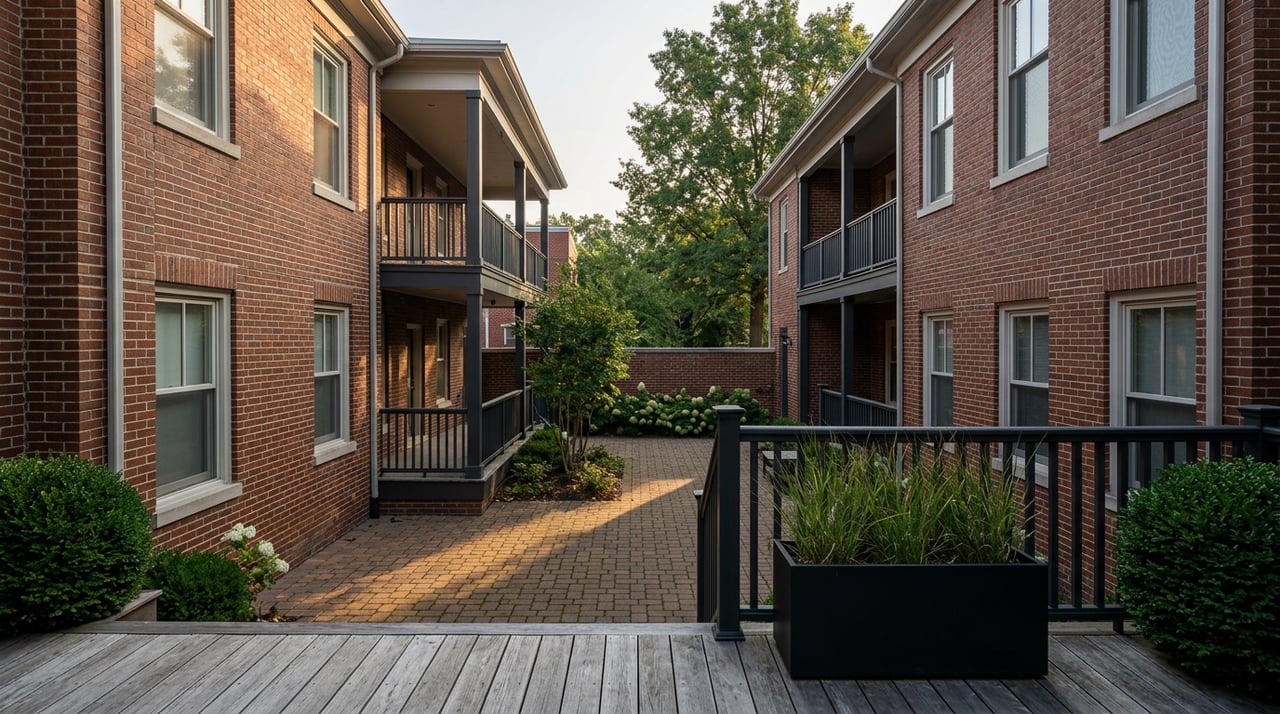
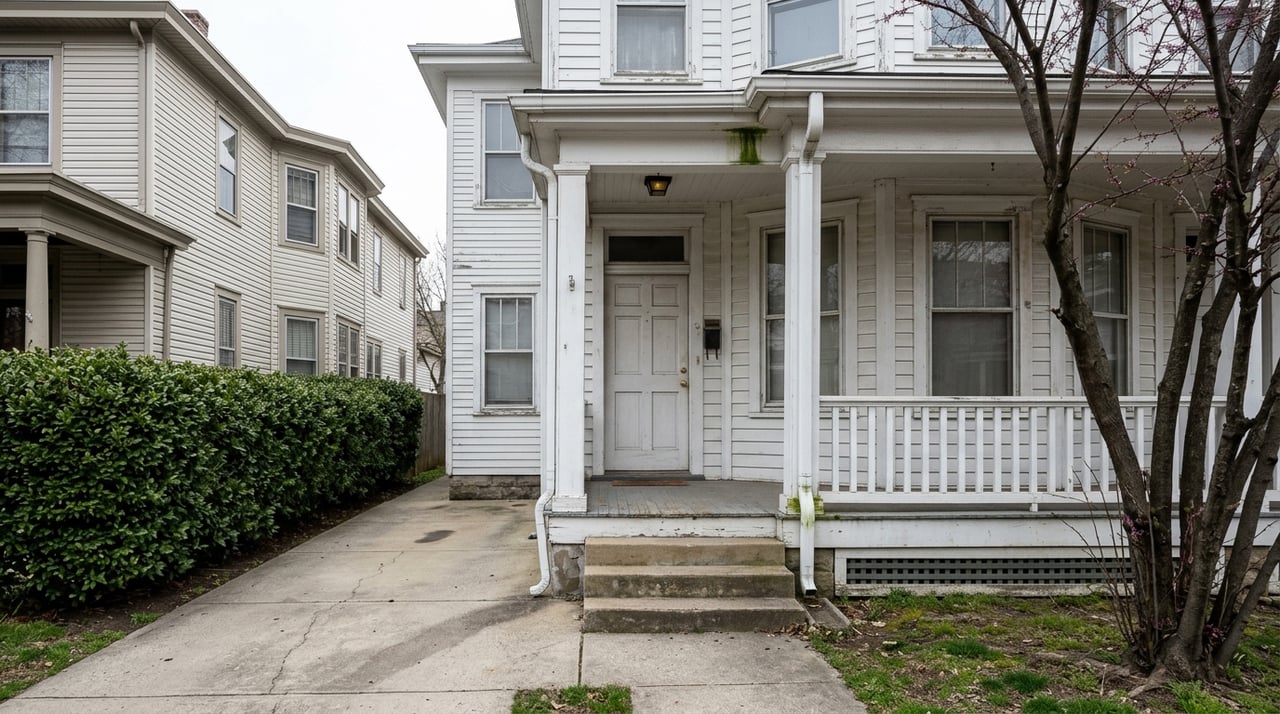
Housing here is varied. The corridor includes one-story brick commercial blocks, 2.5-story wood-frame dwellings, single- and two-family homes, masonry apartment buildings, and brick garden apartments, making it one of the strongest areas to explore if you want more ownership options beyond detached single-family homes.
Arlington Heights
Arlington Heights sits at the western end of town and has a more village-like feel while still offering a defined commercial spine. The area includes restaurants, cafés, specialty retailers, and family-owned businesses, along with MBTA bus service.
Residentially, Arlington Heights shows a broad mix. Town design guidance notes small-lot single-family blocks with capes, bungalows, and smaller colonials, along with larger-lot blocks where you may find Victorians and larger colonials.
Smaller Pockets That Shape Arlington
Jason Heights and Morningside
If you are drawn to older homes with more architectural variety, Jason Heights and Morningside are worth a closer look. These pockets are part of Arlington’s more varied single-family housing story and often appeal to buyers who want distinct streetscapes rather than a more uniform block pattern.
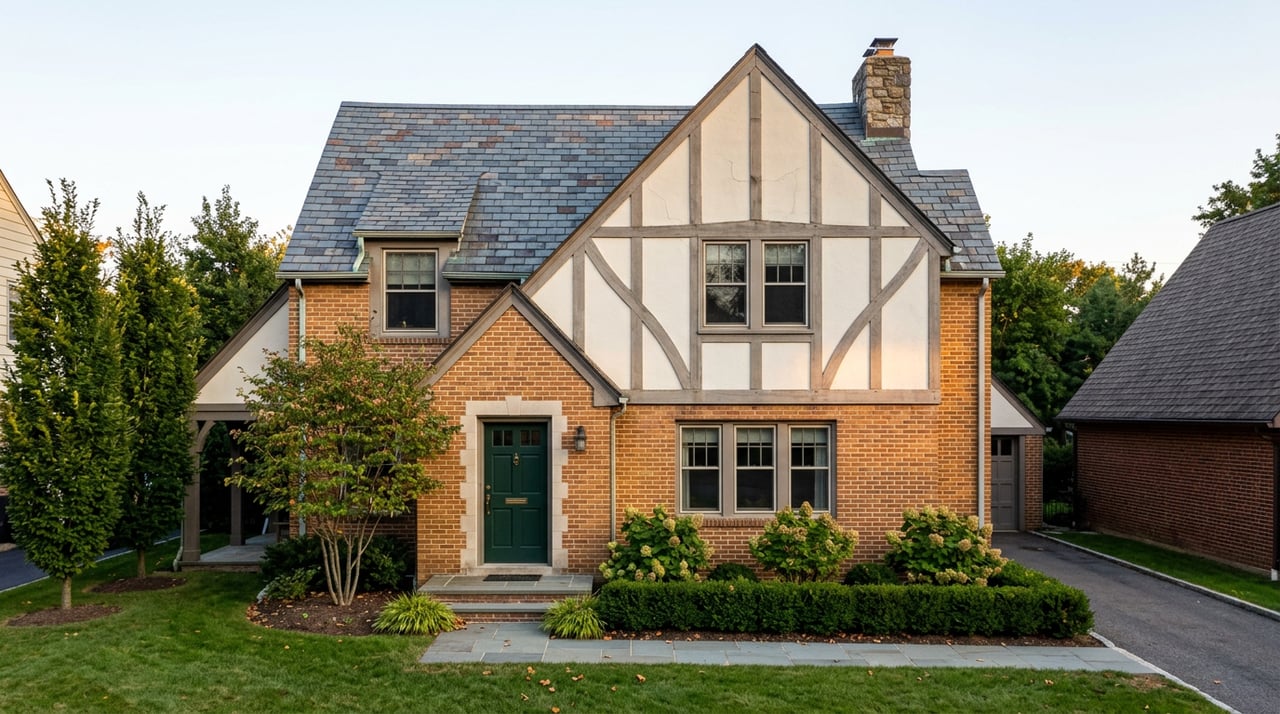
Morningside is described as a neighborhood of curving streets and relatively large homes, especially Colonial Revival and Tudor or Medieval Revival styles. Jason Heights is also grouped among Arlington’s medium- and large-lot single-family areas, which helps explain its different feel from the denser corridor sections.
Mount Gilboa and Turkey Hill
Mount Gilboa and Turkey Hill reflect another side of Arlington’s single-family stock. Preservation materials note later-developing streets with capes, ranches, and 2.5-story colonials.
For buyers who want a more residential setting with classic detached homes and lot variation, these pockets can feel very different from East Arlington or the center corridor. The housing mix here often supports a more traditional neighborhood rhythm.
Poets Corner, Robbins Farm, and Little Scotland
Poets Corner, Robbins Farm, and Little Scotland are also important to Arlington’s local identity. Town planning guidance groups these areas by housing type and block pattern, which is a useful reminder that Arlington’s appeal often comes from subtle street-level differences.
In practical terms, small-lot single-family homes tend to cluster in places like Poets Corner and Robbins Farm. Little Scotland, meanwhile, began as an 1895 to 1896 subdivision, adding another layer to Arlington’s older residential development pattern.
Brattle Street and Spy Pond Area
The Brattle Street and Spy Pond area adds still more variety. Preservation materials describe Brattle Street as leaning toward Colonial Revival and Craftsman homes, with some Shingle Style and Dutch Colonial examples nearby.
For buyers who care deeply about architecture, this pocket can stand out. It also reflects how Arlington combines familiar New England home types with less common historic styles in certain locations.
Common Home Styles in Arlington
Colonial Revival Leads the Mix
A large share of Arlington’s housing draws from the Colonial Revival tradition. That style shows up across town and helps give many streets a classic Greater Boston look.
You will also see capes and bungalows that borrow from Colonial forms, along with ranch houses, which town guidance identifies as the next most common typology. These familiar styles are a big part of why Arlington feels both historic and accessible.
Beyond Colonials and Capes
Arlington’s older neighborhoods include much more than just colonials. The town’s preservation survey identifies Greek Revival, Italianate, Queen Anne, Shingle Style, Dutch Colonial, Tudor or Medieval Revival, Spanish Colonial, Craftsman, and Victorian eclectic examples.
That variety can be exciting if you want a home with distinctive details. It can also mean that two houses on the same street may have very different scale, era, and design influence.
Condos, Two-Families, and Apartments
Arlington is not only a single-family market. East Arlington and the town’s core corridor areas are more likely to include two-family homes, apartment buildings, mixed-use structures, and condo options.
Town planning materials also note that Arlington’s condominium inventory grew substantially between 2003 and 2014, much of it through two-family home conversions. If you are looking for lower-maintenance ownership or a different price point than a detached home, those areas may offer more possibilities.
Matching Home Style to Lifestyle
Best Fit for Walkability and Convenience
If your priority is being close to cafés, arts and culture, transit access, and a more active main-street environment, Arlington Center and East Arlington are often the most natural fit. These areas combine business districts with a broader mix of housing types and a more connected feel.
That can be especially appealing if you are relocating and want everyday convenience to be part of your home search. It can also work well for buyers who prefer condos, multi-family options, or homes near Arlington’s core corridors.
Best Fit for Single-Family Streets
If you picture a classic residential setting with more yard space and more variation in lot size, Arlington Heights, Jason Heights, Morningside, and Mount Gilboa or Turkey Hill may be stronger matches. These areas are more closely associated with detached homes and lower-density residential blocks.
For many buyers, that difference shapes daily life as much as square footage does. The feel of the street, the spacing between homes, and the mix of architectural styles all influence whether a location feels right.
Best Fit for Lower-Maintenance Ownership
If you want lower-maintenance ownership, condo and multifamily options are more likely to appear near Arlington’s central corridors. Converted two-family homes, mixed-use buildings, and apartment-style living all play a role in the local housing mix.
That is useful to know if you are downsizing, buying your first home in the area, or prioritizing location over lot size. In Arlington, the housing form often follows the pattern of the surrounding district.
A Practical Note on Historic Districts
Arlington has seven local historic districts covering more than 300 properties: Avon Place, Broadway, Central Street, Jason/Gray, Mount Gilboa/Crescent Hill, Pleasant Street, and Russell. In those districts, most exterior changes must be reviewed for architectural appropriateness.
If you are considering an older home, that review process is simply one more part of understanding the neighborhood story. For some buyers, it is a welcome layer of architectural stewardship. For others, it is an important detail to weigh before planning renovations.
What Buyers and Sellers Should Keep in Mind
For buyers, Arlington rewards a detailed search. Instead of focusing only on price or bedroom count, it helps to compare street pattern, housing type, renovation flexibility, and how each area supports your day-to-day routine.
For sellers, Arlington’s block-by-block character is a real advantage. The way your home fits its immediate setting, whether that means a classic Colonial Revival on a quiet residential street or a condo near a lively corridor, can be a powerful part of how your property is positioned in the market.
Arlington is one of those communities where local context matters. When you understand how the neighborhoods and home styles connect, you can make decisions with more clarity and less guesswork.
If you are thinking about buying or selling in Arlington, a neighborhood-by-neighborhood strategy can make the process feel far more focused. Kelly Batti offers the warm, hands-on guidance and local perspective that help you move with confidence.
FAQs
What are the main neighborhoods or districts in Arlington, MA?
- Arlington is often understood through three core districts, Arlington Center, East Arlington, and Arlington Heights, along with smaller residential pockets such as Jason Heights, Morningside, Mount Gilboa or Turkey Hill, Poets Corner, Robbins Farm, Little Scotland, and the Brattle Street or Spy Pond area.
What home styles are common in Arlington, MA?
- Colonial Revival homes are the most common influence, with capes, bungalows, and ranches also appearing frequently, plus older examples of Greek Revival, Italianate, Queen Anne, Shingle Style, Dutch Colonial, Tudor, Craftsman, and Victorian eclectic homes.
Where can you find condos in Arlington, MA?
- Condo options are more likely to be found in Arlington’s core corridors, especially in East Arlington and other central areas where two-family conversions, mixed-use buildings, and apartment-style housing are more common.
Which Arlington areas feel most walkable?
- Arlington Center and East Arlington are the areas most closely associated with walkability, transit access, cafés, arts and culture, and a more active main-street setting.
Which Arlington areas have more single-family homes?
- Arlington Heights, Jason Heights, Morningside, and Mount Gilboa or Turkey Hill are generally stronger fits for buyers looking for classic single-family streets with more yard and lot variation.
Do historic district rules affect homes in Arlington, MA?
- Yes, Arlington has seven local historic districts, and in those districts most exterior changes must be reviewed for architectural appropriateness, so buyers should factor that into renovation plans.