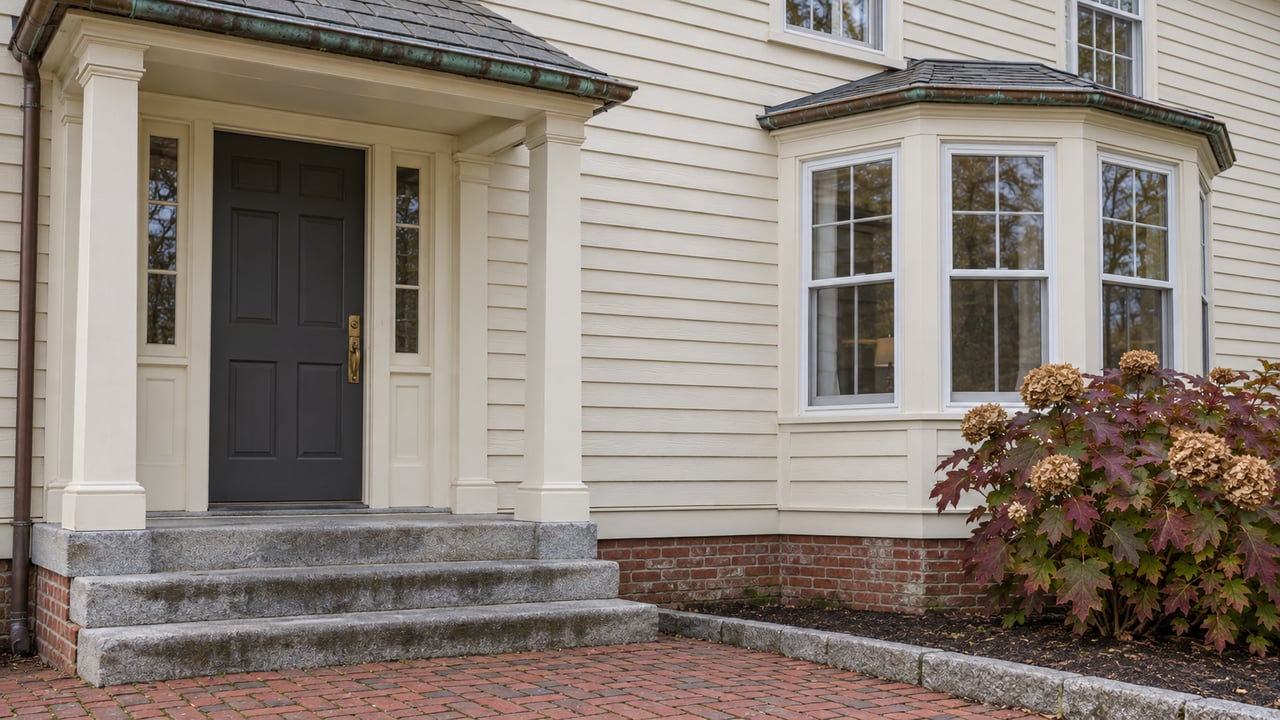
When you are helping a parent or other loved one sell a home, the paperwork is only part of the story. In Medford, you may also be balancing grief, family decisions, deadlines, and a market that still moves quickly. The good news is that with the right plan, you can handle the sale with care, stay organized, and avoid last-minute surprises. Let’s walk through what matters most.
Start With Title And Authority
Before you think about pricing, repairs, or listing photos, confirm who has the legal authority to sell the home. If the property was owned only in the deceased person’s name and not held in a survivorship arrangement, probate is often needed to transfer title.
In Massachusetts, the court appoints a personal representative to collect, manage, and transfer estate property. If there is a will, the named executor generally has priority for that role. This step matters because it affects when the home can be listed, what can be signed, and how smoothly the closing process can move forward.
When Probate May Affect The Sale
A personal representative is expected to settle the estate as efficiently as possible. Still, under Massachusetts law, if the will does not give authority to sell real estate, the personal representative does not automatically have the power to sell or mortgage the property without further legal authority.
That is why estate sales often benefit from a careful, step-by-step approach from the beginning. It helps you avoid accepting an offer before the estate is truly ready to perform.
Understand The Medford Market
Even during an estate sale, market conditions still shape your strategy. In Medford, Redfin reported a median sale price of $857,057 for the three months ending April 2026, with homes averaging about 25 days on market, around 4 offers, and a 101.4% sale-to-list ratio.
Those numbers suggest that buyers are active, but they do not remove the need for thoughtful pricing and presentation. In a competitive market, buyers still compare condition, timing, and value very closely.
Why Assessed Value Is Not Market Value
Families often look at the city assessment first, but that number may not reflect current buyer demand. Medford assessors value property at full and fair cash value as of January 1 each year, using sales from the prior 12 to 18 months.
In a changing market, assessed value can lag behind what buyers may pay today. For FY26, Medford’s residential tax rate is $8.63 per $1,000 of assessed value, which is useful for planning, but it is not the same thing as a pricing strategy.
Decide How Much Preparation Makes Sense
One of the hardest parts of an estate sale is deciding whether to sell the home as-is or complete some work first. There is no one-size-fits-all answer. The right choice usually depends on the home’s condition, the estate timeline, and how much coordination the family wants to take on.
In Medford, presentation can still have a real impact because buyers are moving in a competitive environment. That means even modest updates, cleanup, or staging support may help the home show better and attract stronger offers.
Focus On Safety And Required Items First
If the home needs work, start with items that affect compliance and marketability. In Massachusetts, smoke and carbon monoxide alarms must meet sale or transfer requirements, and the seller needs a certificate of compliance from the local fire department.
The state advises calling the fire department as soon as a closing date is known. Taking care of this early can reduce stress as the sale gets closer.
Check For Lead Paint Rules
If the home was built before 1978, lead paint rules are especially important. Massachusetts and federal law require a Property Transfer Lead Paint Notification before the purchase and sale agreement is signed.
Sellers and real estate agents must disclose known lead information and provide related reports or letters if they exist. You can also use the state’s Lead Safe Homes database to check the property’s lead history before listing or accepting an offer.
Explore Repair Help If Eligible
If the property is owner-occupied and meets program requirements, Medford’s Housing Rehabilitation Loan Program may be worth reviewing. The city states that eligible loans can go up to $50,000 and may cover items such as lead paint inspection and abatement, roofing, plumbing, electrical work, insulation, windows, and accessibility upgrades.
This will not apply to every estate situation, but it can be a useful local resource in the right circumstances. It may help families weigh whether certain repairs are possible before bringing the home to market.
Know What Must Be Disclosed
Many families worry that they need to know and disclose every issue with the house. In Massachusetts, residential sellers who are not in the business of selling homes generally do not have a broad affirmative duty to disclose every defect.
At the same time, a seller’s agent must disclose known material defects. In an estate sale, this distinction is important because families may not know the full history of the property. A calm, organized process can help separate what is known, what is documented, and what should be addressed during negotiations.
Plan For Taxes And Timing
Estate sales can involve a different timeline than a standard home sale. In Massachusetts, estate tax returns are generally required when the gross estate plus adjusted taxable gifts exceeds $2 million for deaths on or after January 1, 2023.
The return and payment are generally due nine months after death. Depending on the estate, that timing can affect how quickly the full closing file is finalized, so it is wise to think about tax timing early rather than near the end of the transaction.
Keep Closing Logistics Organized
Once the property is ready and an offer is accepted, the final phase is all about coordination. Massachusetts notes that the purchase and sale agreement is a legal document, and consulting an attorney before signing legal documents is especially useful when a personal representative or multiple heirs are involved.
Common closing items in Massachusetts include the deed, smoke and carbon monoxide certificate, municipal lien certificate, title insurance, prorations, and in probate situations, supporting documents such as a death certificate or power-of-attorney documentation if applicable.
Local Medford Steps To Remember
A few local details are easy to miss if you are already juggling family responsibilities. In Medford, deeds are recorded at the Middlesex South Registry of Deeds in Cambridge.
The Medford Water Department also asks homeowners to call once the closing date is known so a final read can be arranged. That small step can help prevent billing confusion after possession changes.
A Calm Process Helps Families Most
In many estate sales, the biggest relief is not just getting the home sold. It is having a clear path through a process that can otherwise feel fragmented and emotional.
A thoughtful plan usually includes confirming authority to sell, understanding timing, deciding what prep is worthwhile, handling required disclosures and certificates, and keeping each closing step on track. When those moving parts are coordinated well, you do not have to carry every detail alone.
If you are preparing to sell a loved one’s home in Medford, a steady, organized approach can protect both the estate and your peace of mind. When you want experienced, white-glove guidance through pricing, preparation, negotiation, and closing coordination, Kelly Batti is here to help.
FAQs
Do I need probate to sell a loved one’s Medford home?
- Often yes, if the home was owned only in the deceased person’s name and not in a survivorship arrangement.
What should I know about lead paint when selling a Medford home?
- If the home was built before 1978, lead paint notification rules apply before the purchase and sale agreement is signed, and known lead information must be provided.
Can I sell a Medford estate home that needs repairs?
- Usually yes, but required safety and transfer items, including smoke and carbon monoxide compliance, should be handled properly first.
Where is a Medford deed recorded after closing?
- Medford deeds are recorded at the Middlesex South Registry of Deeds in Cambridge.
What local utility step should I remember for a Medford closing?
- Once the closing date is known, contact the Medford Water Department to arrange a final read and help avoid post-closing billing issues.