Wondering whether Medford would feel like the right fit for your next move? If you are looking for a Greater Boston community with strong transit, established neighborhoods, and everyday access to parks and local business districts, Medford offers a lot to consider. It has a lived-in feel, but it is also evolving in visible ways. Let’s take a closer look at what it feels like to call Medford home.
Medford feels established
One of the first things that stands out about Medford is that it feels rooted. The city has an estimated population of about 59,800 people, and 83.7% of residents lived in the same house one year earlier. More than half of homes are owner-occupied at 54.1%, which points to a community where many people stay put and build routines over time.
At the same time, Medford is not one-note. The typical household size is 2.34 people, 23.3% of residents were born outside the United States, and 29.1% of residents age 5 and older speak a language other than English at home. That mix helps give the city a sense of continuity along with a broad range of backgrounds and experiences.
History is part of daily life
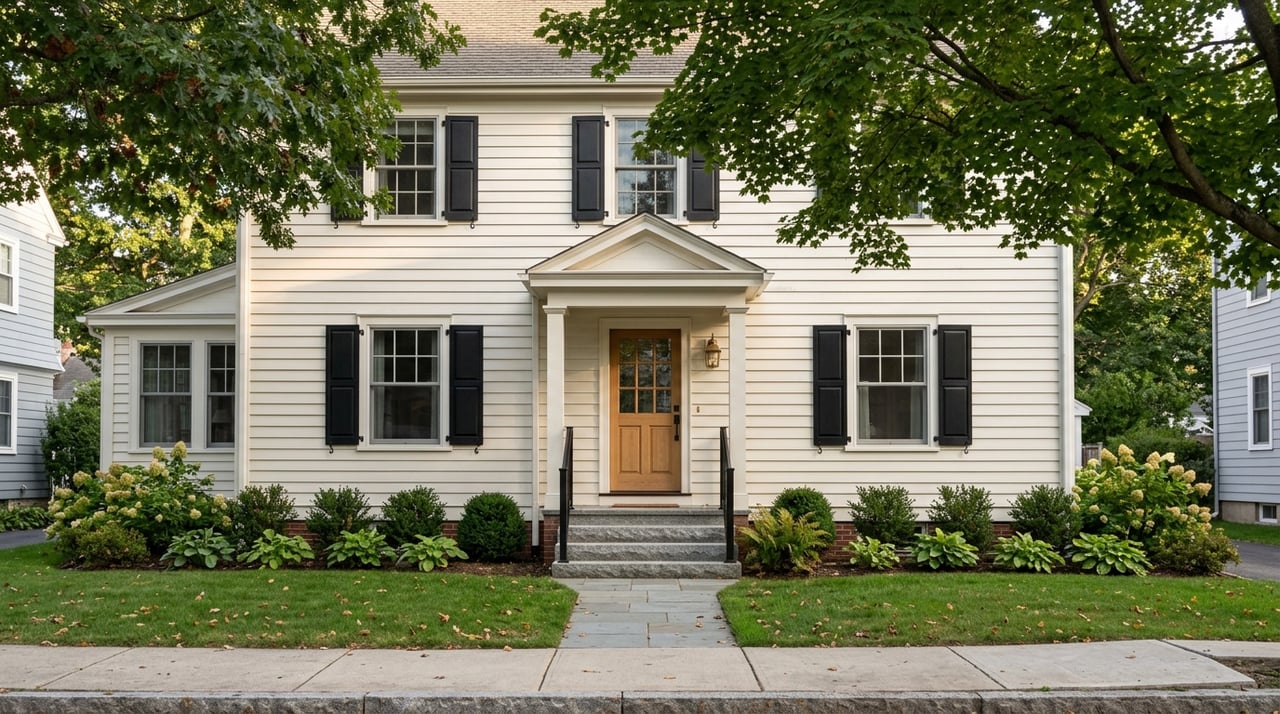
Medford has a strong connection to its historic character. The Medford Historical Commission exists to preserve the city’s heritage and reviews demolition requests for buildings that are more than 75 years old or listed on historic registers. That tells you preservation is not just a talking point here. It is part of how the city manages change.
State-hosted planning materials note that Medford has 1,642 historic properties and four historic districts. The city’s scenic and historic resources also connect closely to the Mystic River, the Middlesex Fells, and Medford’s historic road network. In practical terms, that can translate into streetscapes and landmarks that feel layered rather than recently built from scratch.
Medford is changing too
If Medford feels established, it also feels active. The city’s Comprehensive Plan covers housing, economic development, arts and culture, mobility, open space, and public services. Its zoning program is focused on modernizing older code to support more housing, mixed-use development, energy-efficient buildings, and walkable neighborhoods.
That balance between preservation and progress is a big part of Medford’s identity right now. You are not looking at a city trying to erase its past. You are looking at a community working to adapt while keeping its character in view.
Medford Square shows that shift
Medford Square is one of the clearest examples of where the city is headed. In May 2025, the city selected Transom Real Estate to redevelop three underused municipal parcels into a mixed-use hub with a grocery store, café, 283 apartment units, 56 income-restricted units, a public plaza, and parking.
The city’s planning history shows this is part of a longer strategy for a more walkable, mixed-use center with safer streets, better east-west connections, and stronger access to the Mystic River. So if you are picturing a place that feels both familiar and in motion, Medford Square helps illustrate that idea.
Getting around is a real advantage
For many buyers and renters, daily convenience comes down to mobility. Medford offers several transit options through the MBTA, including Green Line stops at Medford/Tufts and Ball Square, Orange Line service at Wellington, Lowell Line commuter rail service in West Medford, and multiple bus routes connecting the city to Boston and nearby communities.
That transit network shapes how the city feels day to day. Some residents may rely on rail access for commuting, while others may simply value having more options for getting around Greater Boston. Either way, Medford’s transportation access is a meaningful part of its appeal.
Some areas feel more urban
Around newer transit areas, the feel can be a bit more city-like. Medford’s Green Line Zone is a district-wide residential permit parking area around three GLX stops, which reflects the added pressure and activity that often come with strong transit access.
The city has also used shared-streets funding to support pedestrian-oriented public space and outdoor dining in some locations. That does not mean every part of Medford feels the same. It does mean some pockets have a more active street presence and a stronger walk-to-daily-needs rhythm.
Daily life centers on local districts
Medford is not defined by a single all-purpose downtown. Instead, city business pages reference several commercial districts, including Medford Square, West Medford Square, Hillside, South Medford Square, and Haines Square. That setup can make everyday life feel more neighborhood-based.
In real terms, your routines may revolve around the business district closest to home for coffee, errands, services, or a quick meal. That can create a practical, local feel while still giving you access to different parts of the city depending on what you need.
The city is also working to make navigation easier. In May 2026, Medford released a wayfinding study master plan aimed at helping residents and visitors move across the city and identify points of interest more easily.
Parks are part of the lifestyle
Medford’s outdoor access is a major part of what living here can feel like. The Park Division maintains more than 24 parks and playgrounds, along with Riverbend Park, Hormel Stadium, Wright’s Pond, and Tufts Pool, covering over 118 acres.
Beyond city-managed spaces, planning materials add that Medford has more than 1,200 acres of DCR-managed protected land, plus the Mystic River and the Middlesex Fells. That is a meaningful amount of open space for a community so closely connected to Boston.
Nature and convenience coexist
One of Medford’s more appealing qualities is that outdoor access and daily convenience are not far apart. You can picture a routine that includes transit, local errands, and time outdoors without needing to leave the city behind.
That combination helps explain why Medford often feels like an urban-suburban hybrid. It gives you a city-neighborhood atmosphere with real access to trails, green space, and river-adjacent areas that can become part of weekly life.
Housing shapes the experience
Housing costs are an important part of understanding Medford. The median owner-occupied home value is $755,500, and the median gross rent is $2,509. That places Medford firmly within Greater Boston’s higher-cost housing market.
For buyers, that means Medford often attracts people who are weighing location, transit, housing type, and long-term lifestyle together. For renters, it also signals a market where access and convenience carry a premium.
The city is planning for more housing
Medford is not standing still on housing policy. The city’s Housing Production Plan says it is working toward a mix of housing types for different income levels and a minimum 10% year-round affordable housing stock. The Affordable Housing Trust also focuses on creating and preserving affordable homeownership and rental opportunities for low- and moderate-income residents.
Those priorities show up in planning and funding decisions. In Fiscal Year 2026, Medford allocated more than $2.4 million in Community Preservation Act funding to projects tied to open space and recreation, historic preservation, and affordable housing.
What calling Medford home can feel like
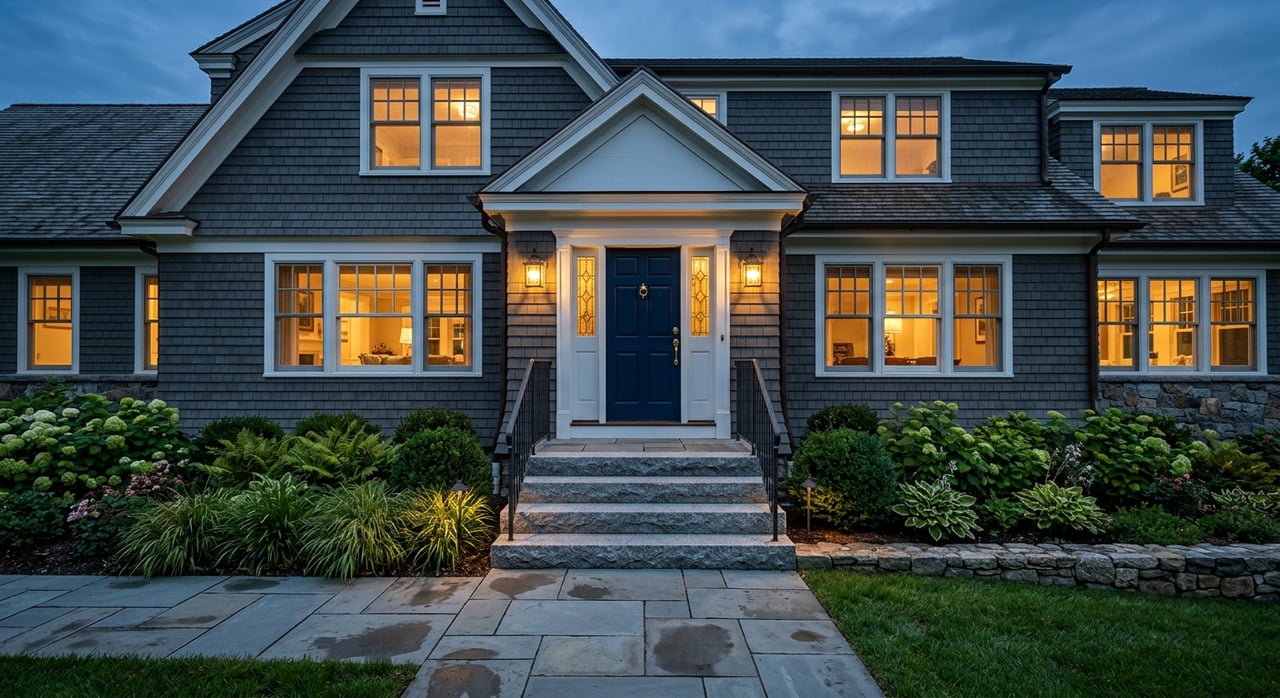
If you are comparing Greater Boston communities, Medford offers a distinct blend. It can feel historic without feeling frozen, connected without feeling overly compressed, and active without losing its neighborhood structure. That balance is a big reason it stands out.
You may find that Medford appeals to you if you want transit access, multiple local business districts, visible civic investment, and meaningful park access all in one place. It is a city with an established identity, but it is also clearly planning for what comes next.
If you are considering a move to Medford or comparing it with other Greater Boston communities, working with a local advisor can help you match the city’s feel to your goals, timeline, and lifestyle needs. If you would like thoughtful, personalized guidance as you explore your options, connect with Kelly Batti.
FAQs
What is the overall feel of living in Medford, MA?
- Medford often feels like an urban-suburban hybrid, with historic character, strong transit access, multiple local business districts, and substantial park and open-space resources.
How does transportation in Medford, MA work for daily life?
- Medford has MBTA Green Line, Orange Line, commuter rail, and bus access, which gives many residents flexible options for commuting and getting around Greater Boston.
What kinds of outdoor spaces are available in Medford, MA?
- Medford offers more than 24 parks and playgrounds, plus places like Riverbend Park, Wright’s Pond, the Mystic River, and the Middlesex Fells for recreation and open-space access.
Is Medford, MA a historic community?
- Yes. Medford has 1,642 historic properties, four historic districts, and an active Historical Commission that works to preserve the city’s historic character and heritage.
What is happening with development in Medford, MA?
- Medford is updating zoning and advancing redevelopment efforts such as the Medford Square mixed-use project to support housing, retail, walkability, and public spaces.
What should homebuyers know about the Medford, MA housing market?
- Medford sits in a higher-cost Greater Boston market, with a median owner-occupied home value of $755,500 and median gross rent of $2,509, so buyers and renters often weigh budget alongside location and convenience.