If you are relocating to Greater Boston, choosing the right home base can shape your whole experience. You want access to major job centers, a housing market with real options, and a day-to-day setting that feels manageable when everything else is new. Medford stands out for exactly that mix, and understanding why can help you make a smarter move. Let’s dive in.
Why Medford Works for Relocation
Medford offers a close-in Greater Boston location without feeling identical to Boston or Cambridge. It is a compact city of about 59,834 residents across 8.10 square miles, which means you can stay connected to the region while still enjoying a more residential feel.
That residential character shows up in the numbers. Medford’s owner-occupied housing rate is 54.1%, which is notably higher than Boston’s 35.7% and Cambridge’s 33.5%. For many relocating buyers, that can translate into a home base that feels steadier and more neighborhood-oriented while remaining near major employment hubs.
Medford also fits many professional households who are moving into the area. The city reports that 92.8% of households have a broadband subscription, and 59.8% of adults have a bachelor’s degree or higher. If you are moving for work, those details help paint a picture of a community that aligns with a connected, commuter-driven lifestyle.
Medford’s Location Advantage
One of Medford’s biggest strengths is how easily it connects you to the rest of Greater Boston. If your work, family, or daily routine may take you into Boston, Cambridge, or nearby communities, Medford gives you multiple ways to get around.
The city’s mean travel time to work is 30.2 minutes, which helps illustrate its role as a practical launching point. You are close enough to major job centers to stay flexible, but not locked into just one transportation pattern.
Transit Options in Medford
Medford’s official transportation information highlights several MBTA connections:
- Green Line service in Medford, including Medford/Tufts and Ball Square
- Orange Line access at Wellington
- Lowell Line commuter rail service from West Medford to North Station
- Multiple MBTA bus routes running through the city
For many relocation buyers, this matters because your work routine may change over time. You might start with one office schedule, then shift to hybrid work, or need easier access to different parts of the metro area later. A city with several transit options gives you more room to adapt.
Driving and Regional Access
If you expect to drive often, Medford also has a strong regional road network. According to MassDOT, Wellington Circle sits at the intersection of Routes 16 and 28 and connects Medford and nearby communities to Interstate 93 and Route 1.
That is especially useful if your life will involve more than one destination. Whether you need to get into Boston, reach Cambridge, or travel across inner-suburban work sites, Medford can make those connections more straightforward.
Last-Mile Convenience
A practical commute is not only about trains and highways. It is also about what happens after you arrive or before you leave.
Medford lists Bluebikes stations at Wellington, Tufts Square, Main Street at Brooks Park, and Medford Square. The city also notes ongoing pedestrian and bike improvements, including work on sidewalks and crossings. If you value flexibility for shorter trips, errands, or station access, those features can make daily life easier.
Housing Options in Medford
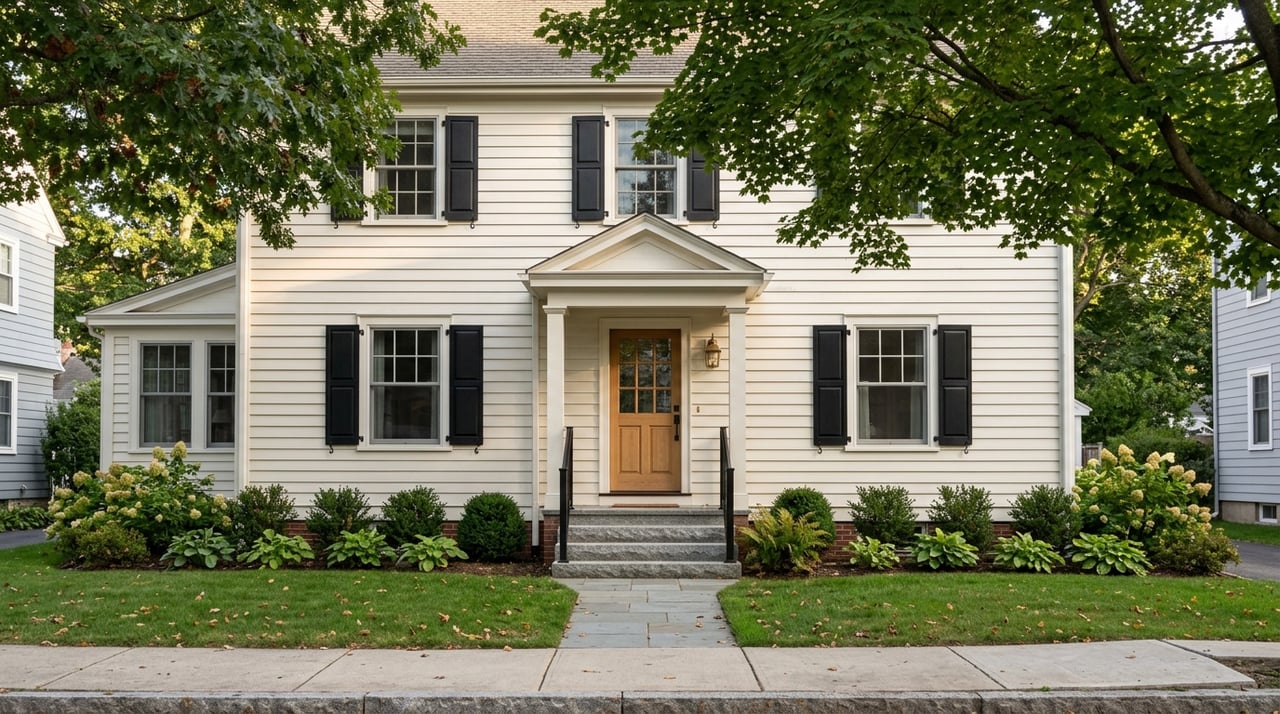
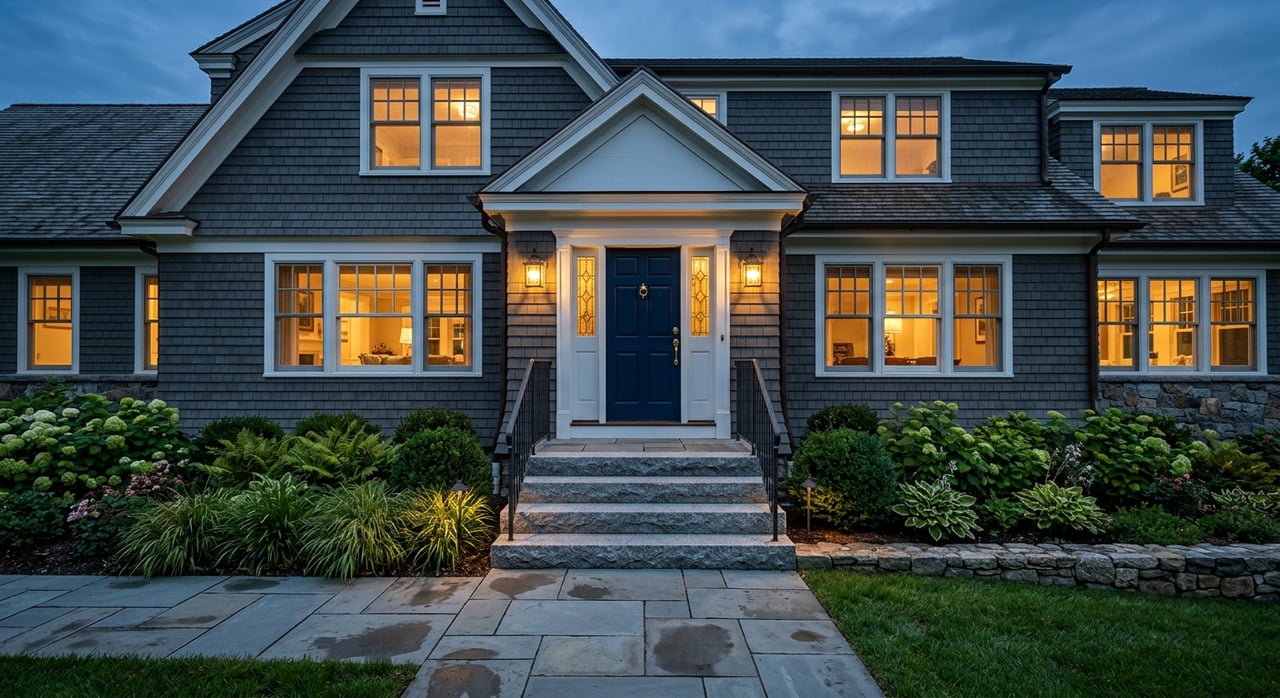
Relocating buyers often assume they need to choose between a purely urban housing market and a purely suburban one. Medford sits somewhere in the middle, which is part of its appeal.
The city’s Housing Production Plan shows a mixed housing stock. Roughly 33% of units were single-family, while about 67% were multifamily. That means your search may include a broader range of property types than you would find in a more uniform market.
What That Means for Buyers
In practical terms, Medford can appeal to different kinds of relocation needs, including:
- Single-family homes for buyers seeking more private living space
- Condominiums and townhome-style options for buyers who want less upkeep
- Multifamily properties for buyers exploring flexible living arrangements or investment-oriented purchases
- Homes near transit for buyers prioritizing regional access
The city’s Building Department also notes that Medford has more than 500 properties designated as R-2 multifamily properties with three or more dwelling units. That reinforces the idea that Medford is not a one-format housing market.
An Evolving Market Near Transit
Medford’s zoning and planning context also matter if you are thinking long term. The city says it is required under MBTA Communities Section 3A to have at least one station-area district where multifamily housing can be built as-of-right. The city’s zoning materials also note that general residential districts can allow single-unit homes, two-unit homes, and accessory dwelling units.
For you as a buyer, that means Medford’s housing landscape is mixed and evolving, especially near transit. It is helpful context when comparing one part of the city to another and deciding what kind of home base best matches your goals.
Home Value Context: Medford vs Nearby Cities
Budget is often one of the biggest questions in a relocation move. Medford’s median owner-occupied home value is $755,500, which is similar to Boston’s $731,700 and well below Cambridge’s $1,092,100.
That does not make Medford a bargain market, but it does help explain why so many buyers consider it seriously. If you want proximity to Cambridge job centers without Cambridge-level pricing, Medford may offer a more realistic entry point.
This is one reason Medford often appeals to professionals who want to stay close to the core of Greater Boston while keeping more options on the table. Price, housing mix, and transportation all work together here.
Daily Life Beyond the Commute
A home base should support more than your drive or train ride. It should also work for your everyday routine after the workday ends.
Medford’s official city information notes that it has over 20 parks. The city also continues to invest in sidewalks, crossings, and bike infrastructure. Those details may seem small at first, but they can make a real difference when you are learning a new area and deciding where daily life feels most comfortable.
For many relocation buyers, this is where Medford’s balance becomes clear. You can stay plugged into Greater Boston while still choosing a place that supports local routines, outdoor time, and easier movement around the city.
What Out-of-State Buyers Should Know
If you are moving from out of state, Medford may be the right fit, but the process still requires local planning. Massachusetts transactions have a few important differences that can affect your timeline and expectations.
Virtual Tours Help, But They Are a First Step
Virtual tours can be useful when you are narrowing down options from a distance. They can help you evaluate layout and decide which homes deserve a closer look.
Still, virtual access works best as a first-pass filter. If you are serious about a property, it is wise to preserve your ability to complete a full evaluation before you are fully committed.
Massachusetts Closings Are Attorney-Involved
Massachusetts real estate closings are still attorney-involved. State guidance says closings or settlements of certain transactions require the substantive participation of an attorney on behalf of the mortgage lender.
The state also uses both recorded land and registered land systems. If you are moving from a state with different norms, this is a helpful reminder that your closing process may look more formal and more locally specific than expected.
Remote Closings May Still Be Hybrid
Although a 2023 law authorized remote online notarization effective January 1, 2024, the Secretary of the Commonwealth says the training and notification form are not yet available and notaries should not use online remote platforms at this time.
In practice, many relocation closings are likely to remain hybrid unless your attorney, lender, and title team confirm otherwise. If you are planning your move from afar, this is the kind of detail that is best addressed early.
Property Records and Local Rules Matter
For remote due diligence, Massachusetts says property records are available online through the registries of deeds and local assessors. That can help you research a property before and during your purchase process.
You should also pay attention to local day-to-day rules. In Medford, street parking may be affected by resident permit parking, commuter permits, private-way rules, street sweeping, and snow-emergency restrictions. If a home depends heavily on street parking, these details can materially affect daily convenience.
How to Evaluate Medford as Your Home Base
The best relocation decision is rarely about one single feature. It is about how your housing choice, commute options, budget, and lifestyle fit together.
As you compare Medford with Boston, Cambridge, and other nearby communities, it helps to focus on a few practical questions:
- How often will you need to commute, and by what method?
- Do you want a stronger residential feel while staying near urban job centers?
- Which property types best fit your budget and daily needs?
- How important is transit access versus road access?
- Will local parking rules affect your routine?
- Are you looking for a home that supports long-term flexibility?
When Medford is the right match, it often comes down to balance. You get a close-in location, a mixed housing market, and multiple ways to move through Greater Boston without having to choose the most expensive nearby option.
If you are exploring a move to Medford or comparing it with other close-in Greater Boston communities, working with a local advisor can make the process feel much more clear. Kelly Batti offers warm, high-touch relocation guidance to help you evaluate neighborhoods, timing, property options, and the next steps with confidence.
FAQs
Is Medford a good home base for commuting around Greater Boston?
- Yes. Medford offers Green Line, Orange Line, commuter rail, bus access, and strong road connections through Routes 16 and 28, Interstate 93, and Route 1.
How does Medford compare with Cambridge on home values?
- Medford’s median owner-occupied home value is $755,500, which is well below Cambridge’s $1,092,100 and closer to Boston’s $731,700.
What kinds of homes can you find in Medford?
- Medford has a mixed housing stock that includes single-family homes and a large share of multifamily housing, giving buyers a wider range of options.
What should out-of-state buyers know about buying a home in Medford?
- Massachusetts closings are attorney-involved, remote online notarization is not yet fully in use in practice, and buyers should review property records and local rules such as parking restrictions.
Does Medford offer transit access within the city itself?
- Yes. In addition to rail options, Medford has multiple MBTA bus routes, Bluebikes stations, and ongoing pedestrian and bike improvements that support local mobility.
Why do some relocating buyers choose Medford over Boston or Cambridge?
- Many buyers like Medford for its balance of location, residential feel, housing variety, and home values that are lower than Cambridge while staying close to core job centers.